
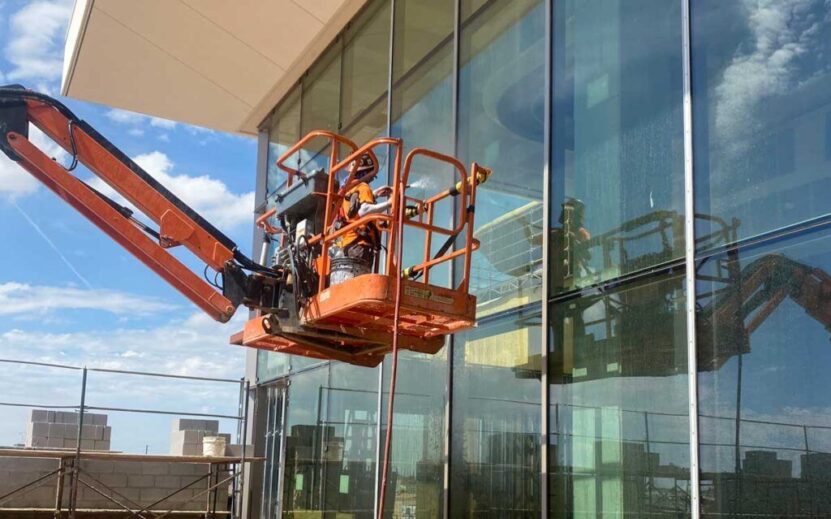
Commercial glazing refers to the use of glass in non-residential buildings such as offices, retail units, industrial properties, schools, hospitals, and public facilities. It plays a functional and architectural role, influencing how a building performs in terms of light, energy efficiency, safety, and durability. The choice of glazing can affect everything from internal comfort to long-term maintenance requirements.
Unlike domestic glazing, commercial applications often involve larger glass panels, specialist installations, and compliance with stricter building regulations. These projects typically require careful planning to balance aesthetics with performance and regulatory standards.
Types of Glass Used in Commercial Buildings
Several types of glass are commonly used in commercial glazing projects, each designed to meet specific needs.
Float glass is the basic form used as a starting point for many other glass types. Toughened glass is heat-treated to increase strength and is designed to shatter into small, blunt fragments if broken, reducing injury risk. Laminated glass consists of multiple layers bonded together with an interlayer, offering enhanced safety and security by holding together when shattered.
Insulated glass units, often referred to as double or triple glazing, are used to improve thermal performance and reduce heat transfer. Solar control glass helps manage glare and heat from sunlight, while acoustic glass is designed to reduce noise transmission, which is particularly relevant in busy urban environments. Additionally, the industry is seeing a rise in the use of Vacuum Insulated Glazing (VIG).
These units are incredibly slim but offer thermal performance comparable to triple glazing. Because they are lightweight and thin, VIG units are increasingly the preferred choice for retrofitting older commercial buildings where existing frames cannot support the weight or depth of standard modern units.
Performance and Energy Efficiency
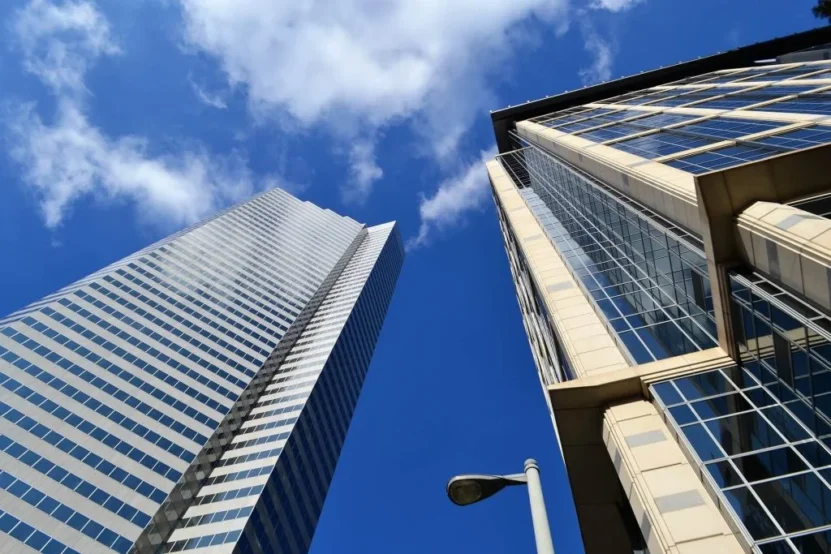
Energy efficiency is a key consideration in modern commercial buildings. Glazing can significantly influence heat retention and solar gain, impacting heating and cooling demands throughout the year. High-performance glazing systems are designed to minimise heat loss in colder months while controlling excess heat during warmer periods.
Low-emissivity coatings are often applied to glass surfaces to reflect heat back into the building, improving insulation without reducing natural light. In the era of smart buildings, dynamic glazing technologies are also gaining prominence.
Electrochromic glass, for instance, can change its tint electronically in response to sunlight intensity or user controls. This allows building management systems to automatically regulate glare and solar heat gain without the need for mechanical blinds. This integration not only reduces the load on HVAC systems, optimizing the building’s operational carbon footprint, but also enhances the visual comfort of occupants by maintaining access to views without the obstruction of closed shades.
When combined with appropriate framing systems and seals, commercial glazing can contribute to meeting energy performance standards and sustainability targets. Furthermore, there is an increasing focus on embodied carbon.
Modern specifications often favor glass produced with high percentages of recycled cullet and low-carbon manufacturing processes, ensuring the building contributes to circular economy principles from construction through to end-of-life recycling.
Safety and Regulatory Requirements
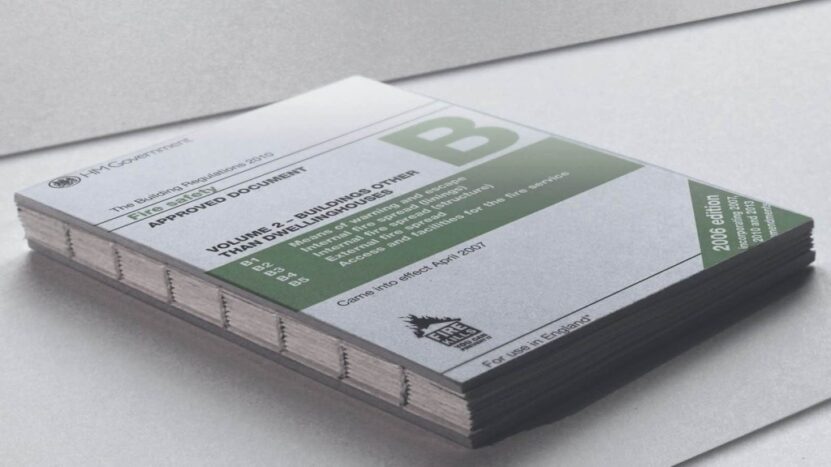
Commercial glazing must comply with UK building regulations and relevant British Standards. Safety glass is required in critical locations such as doors, low-level glazing, and areas subject to human impact. Fire-resistant glazing may also be necessary in certain applications to prevent the spread of fire and smoke between compartments.
Accessibility regulations can influence glazing design, particularly in public buildings. For example, glass doors and partitions often require manifestation markings to ensure they are clearly visible. Structural considerations are also important, especially when large glass panels are used in façades or curtain wall systems.
Glazing Systems and Applications
Commercial glazing is not limited to windows alone. Curtain walling systems are commonly used on large commercial façades, creating a continuous glazed exterior that is non-load-bearing. These systems are designed to withstand wind loads, manage water drainage, and accommodate building movement.
Aesthetically, the demand for minimalism has driven the popularity of structural glazing within these systems. Unlike traditional captured systems, structural glazing utilizes high-strength silicone sealants to bond glass to the internal frame. This eliminates the need for external metal pressure plates, creating a seamless, flush glass skin that enhances the visual fluidity of the façade.
Shopfront glazing is another common application, providing transparency and visibility while maintaining security. Internal glazing is frequently used to create partitions within offices and commercial interiors, allowing light to flow through spaces while maintaining separation for acoustic or functional reasons.
Roof glazing, such as skylights and glazed atriums, introduces daylight into central areas of buildings that might otherwise rely on artificial lighting.
Maintenance and Longevity
The long-term performance of commercial glazing depends on material quality, installation standards, and ongoing maintenance. Glass itself is durable, but seals, frames, and fixings can degrade over time if not properly maintained.
Regular inspections help identify issues such as failed seals, water ingress, or damage caused by environmental factors. Proactive maintenance plans often include ‘spontaneous breakage’ risk assessments for toughened glass, which can occur due to nickel sulphide inclusions. Identifying potential risks early allows facility managers to apply safety films or replace units before failure occurs.
Cleaning regimes are also an important consideration, particularly for buildings with extensive glazed façades. Access requirements, exposure to pollution, and the surrounding environment can all influence maintenance planning.
Self-cleaning glass coatings, which use UV light and rain to break down and wash away organic dirt, are becoming a valuable investment for difficult-to-reach areas, significantly reducing long-term cleaning costs.
The Role of Commercial Glazing in Modern Architecture
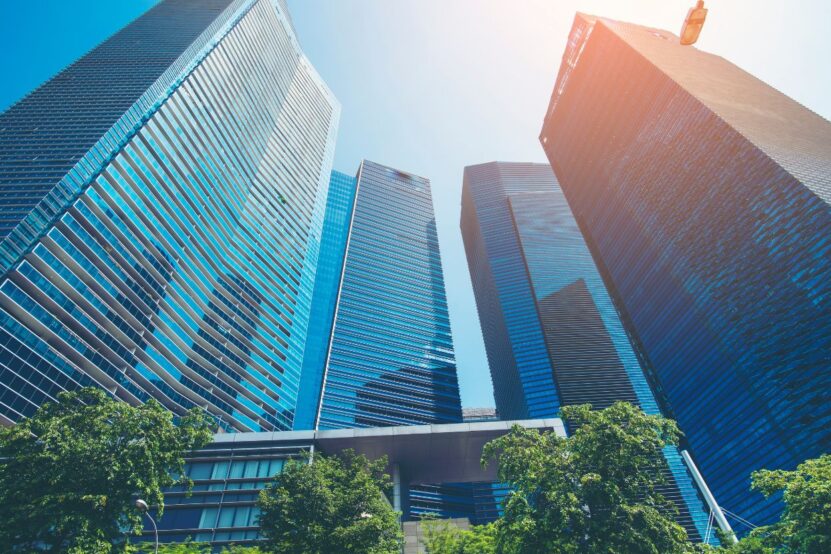
Glass has become a defining feature of contemporary commercial architecture. It allows for open, light-filled spaces while creating a visual connection between the interior and exterior.
This connection is vital for occupant wellbeing, a concept known as biophilic design. Access to natural light regulates circadian rhythms, while external views provide psychological relief in high-stress environments. Advanced glazing ensures that this light is delivered with high ‘colour rendering,’ keeping the interior atmosphere natural rather than tinted.
Advances in glazing technology have expanded design possibilities, enabling larger spans, improved performance, and greater flexibility.
Commercial glazing continues to evolve alongside developments in sustainability, building design, and construction methods. As regulations and expectations change, glazing systems are adapted to meet new standards while maintaining their core functional role within the built environment.