

Niagara Falls sits close enough to Toronto that the question is rarely whether the trip is feasible, but which method of getting there actually makes sense. Visitors have several genuinely different options, each with its own trade-offs in cost, convenience, and flexibility.
This guide compares them honestly, so you can choose the one that fits your trip rather than defaulting to whichever option happens to be most familiar.
The Distance and What It Means Practically
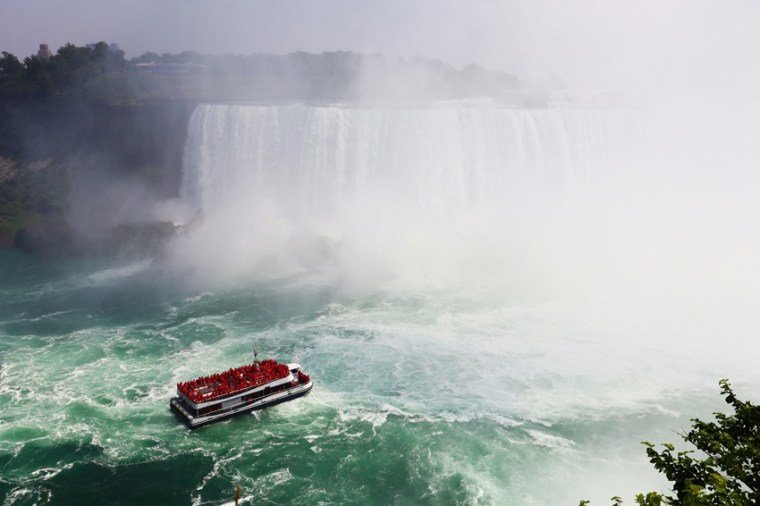
Niagara Falls is approximately 130 kilometres from downtown Toronto, and the drive along the QEW typically takes between 90 minutes and two hours depending on traffic.
This puts it firmly within day-trip range for anyone based in the city, and it is one of the reasons Niagara Falls consistently ranks among the most popular single-day excursions from Toronto.
The practical question for most visitors is not whether they can get there and back in a day, but which combination of cost, comfort, and flexibility suits their trip best.
Driving Yourself
Self-driving offers the most flexibility of any option. You control your own schedule, can make spontaneous stops along the way, and are not tied to a group departure time or return schedule. For visitors who already know the area or who want to combine Niagara Falls with other regional stops, such as Niagara-on-the-Lake or the surrounding wine country, this flexibility is genuinely valuable.
The trade-offs are real. Parking near the main attractions costs between C$25 and C$40 for a full day during peak season, and the lots closest to Table Rock fill early on summer weekends, sometimes requiring a longer walk from a secondary lot.
Navigating an unfamiliar area, particularly around the busier sections near Clifton Hill, adds a layer of stress that some visitors would rather avoid. Traffic on the QEW during peak summer weekends can also add significant time to both legs of the journey.
Driving is the strongest option for visitors who want maximum control over their itinerary, who are comfortable navigating a new area, and who plan to combine the falls with additional stops in the region.
The GO Train
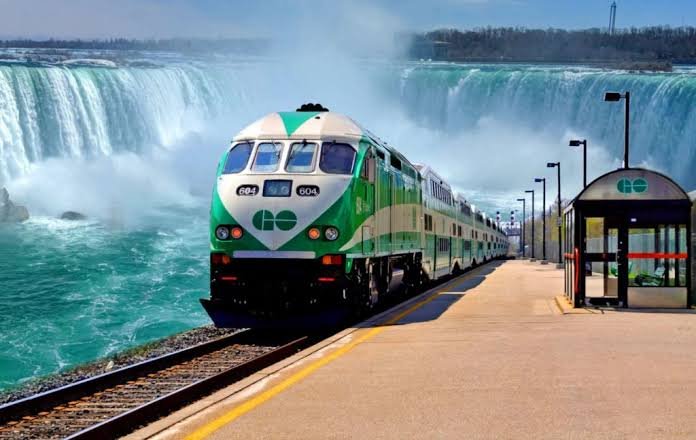
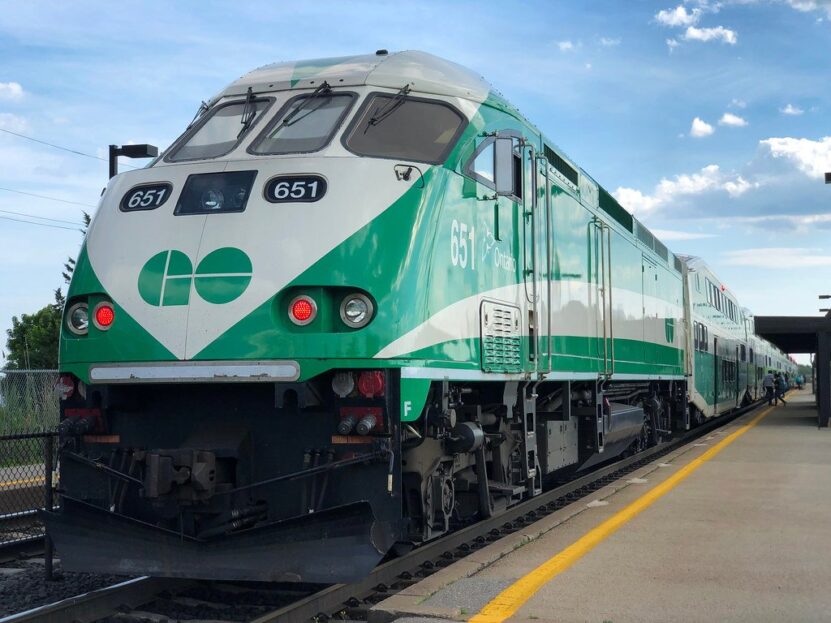
Ontario’s GO Transit system operates a seasonal train route between Toronto’s Union Station and Niagara Falls, typically running on weekends through the summer months. The train itself is comfortable, reasonably priced, and removes the stress of driving and parking.
The significant limitation is that the Niagara Falls train station is not within walking distance of the main attractions. Visitors arriving by train need to arrange a taxi or rideshare for the final leg to Table Rock and the falls area, which adds both cost and an additional logistical step.
The seasonal schedule also means this option is not available year-round, and service can be limited to specific days of the week even within the operating season.
The train works well for visitors who want to avoid driving and who do not mind arranging local transport once they arrive, particularly for a summer weekend visit when the schedule is running.
Bus Services
Intercity bus operators run scheduled services between Toronto and Niagara Falls throughout the year, offering a more consistent year-round alternative to the seasonal train. Buses typically depart from Union Station or nearby terminals and arrive at a station in Niagara Falls that, similar to the train, is not immediately adjacent to the main falls attractions.
Bus travel is generally the most budget-friendly option among the independent transport choices, and the year-round schedule is an advantage over the seasonal train.
The same limitation applies regarding the final leg from the bus station to the falls themselves, which requires an additional taxi, rideshare, or local transit connection.
Rideshare and Taxi

Booking a rideshare or taxi directly from Toronto to Niagara Falls is the most expensive of the independent options, but it offers door-to-door convenience without the need to arrange a connecting leg once you arrive. For small groups splitting the cost, this can be a reasonable option, particularly for a one-way trip when combined with another return method.
The cost for a one-way trip of this distance is substantial, and most visitors find that for a full round trip, other options offer significantly better value unless door-to-door convenience is the overriding priority.
Guided Tours
A guided tour handles every part of the logistics described above in a single booking. Pickup happens directly from central Toronto locations, transport is included in both directions, parking is handled without any action required from the visitor, and the itinerary typically includes pre-arranged access to the main attractions, avoiding the walk-up queues that can be significant during peak summer visits.
This option removes essentially all of the friction associated with the other methods. There is no parking to find, no connecting taxi from a train or bus station, and no need to navigate unfamiliar roads. The trade-off is a fixed schedule, since group tours depart and return at set times rather than allowing for spontaneous adjustments during the day.
For first-time visitors in particular, a Niagara Falls day tour from Toronto tends to be the most efficient option for covering the main attractions within a single day, since the logistics that consume time and attention on a self-arranged trip are handled entirely as part of the tour itself.
Comparing the Options by Priority
Visitors prioritising cost above all else will generally find bus services or off-peak driving with shared parking costs the most economical route, though both require additional arrangements once at the falls.
Visitors prioritising convenience and wanting to avoid logistics entirely will find a guided tour the strongest fit, since it consolidates transport, parking, and attraction access into a single booking.
Visitors prioritising flexibility and control over their own schedule, particularly those planning to combine the falls with additional regional stops, will generally find self-driving the best match despite the added responsibility of navigation and parking.
Visitors specifically interested in the evening illumination and fireworks, rather than the daytime attractions, should note that this affects the choice of tour type more than the choice of transport method.
An evening tour of Niagara Falls departs later in the day and stays through dusk, which is a different itinerary structure from the standard day tour regardless of how the transport itself is arranged.
Seasonal Considerations
Winter narrows the field of practical options. The GO Train’s seasonal summer schedule is not running, and driving conditions on the QEW can be more demanding in poor weather.
Bus services and guided tours continue to operate year-round, making them the more reliable choices outside the summer months.
Summer brings the widest range of options but also the most competition for parking and the longest queues at attractions for visitors arriving without pre-arranged access.
This is the season where the convenience of a guided tour’s included attraction access has the most practical value, since walk-up queues for the boat cruise and other popular attractions can exceed an hour on peak days.
A Note on Combining Methods
Some visitors combine approaches, for example driving to the falls independently but booking a guided walking tour or attraction package once there, or taking the train one direction and a rideshare back.
These combinations can work well for visitors with specific priorities that a single method does not fully satisfy, though they do require more advance planning than choosing a single option and following it through in both directions.
Frequently Asked Questions
What is the cheapest way to get from Toronto to Niagara Falls?
Intercity bus services are generally the most budget-friendly independent option, running year-round at a lower cost than the train, rideshare, or the combined cost of driving and parking.
Guided tours, while not the cheapest option in isolation, often provide strong overall value once parking, attraction access, and the convenience of not arranging separate local transport are factored in.
Does the GO Train run to Niagara Falls year-round?
No. The GO Train service to Niagara Falls operates seasonally, typically on weekends through the summer months. Visitors travelling outside this window should look at bus services, driving, or a guided tour instead.
How long does it take to get from Toronto to Niagara Falls?
Approximately 90 minutes to two hours by car or guided tour under normal traffic conditions. Bus and train travel times are generally similar to driving time, though total door-to-door time is longer once the connecting leg from the station to the falls attractions is included.
Is a guided tour worth it compared to arranging transport independently?
For visitors who want to avoid managing parking, navigation, and attraction queues separately, yes. A Niagara Falls tour from Toronto consolidates all of these into a single booking, which tends to save both time and stress compared to arranging each leg of the trip independently, particularly during peak summer season.