
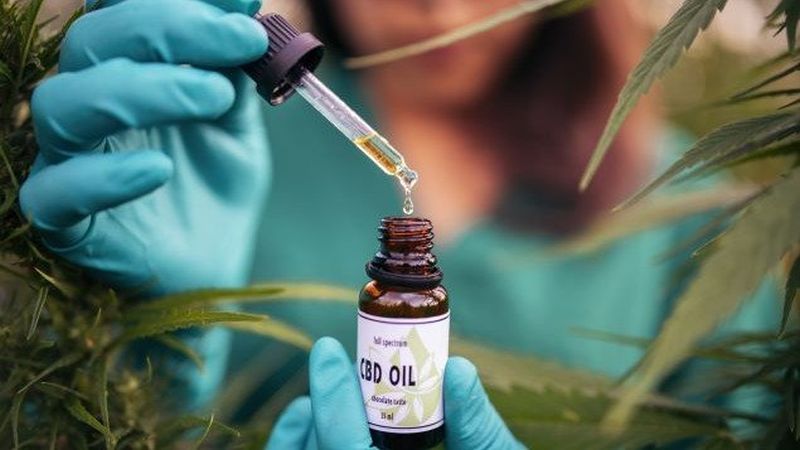
CBD has become one of the most talked about wellness products in the country, showing up in everything from oils and gummies to skincare and pet treats. But despite how mainstream it’s become, CBD’s legal status in the United States is more complicated than most shoppers realize. Whether you can legally buy, possess, or ship a CBD product depends on where you live, what the product contains, and even how it’s labeled.
The Federal Baseline

At the federal level, hemp-derived CBD has been legal since the 2018 Farm Bill, which removed hemp, defined as cannabis containing no more than 0.3% delta-9 THC, from the list of controlled substances.
That’s the number that matters most: as long as a CBD product is derived from hemp and stays under that THC threshold, it’s federally legal to produce, sell, and possess.
That said, 2026 brings an important wrinkle. A new federal definition of hemp is scheduled to take effect on November 12, 2026, which could reshape how certain hemp-derived products, including some intoxicating hemp derivatives, are classified going forward.
Anyone shopping for CBD later this year should keep an eye on how that change plays out, since it may affect which products remain widely available.
Where State Law Comes In
Federal legality is only half the picture. States are free to add their own restrictions on top of the federal baseline, and many of them do. Roughly two dozen states, including places like Colorado, Oregon, New York, and Michigan, allow hemp-derived CBD with no additional restrictions beyond federal law.
In these states, buying CBD oils, gummies, capsules, or topicals is about as straightforward as buying any other over-the-counter wellness product.
Other states take a stricter approach. Idaho is widely considered the most restrictive state in the country, requiring that CBD products contain absolutely zero detectable THC, meaning even standard full-spectrum CBD, which typically contains trace amounts under the federal 0.3% limit, is technically not compliant there.
Anyone in or traveling to Idaho generally needs to stick to CBD isolate products backed by a Certificate of Analysis confirming 0.0% THC.
South Dakota is another outlier. State law there restricts CBD sales to licensed pharmacies and generally requires a prescription, which puts it well outside the over-the-counter model most other states follow.
Louisiana has taken a more targeted approach, banning hemp flower and inhalable hemp products outright while capping THC at set limits per serving and per package for other product types.
Oils, tinctures, capsules, and gummies that meet those serving-size limits remain available there, but the state’s rules are detailed enough that it’s worth checking product labeling carefully before buying.
A number of other states don’t ban CBD outright but do restrict specific derivatives, most commonly delta-8 THC, while still allowing standard hemp-derived CBD products.
This is a good reminder that “CBD” isn’t a single regulatory category. A gummy, a delta-8 product, and a full-spectrum tincture can all be treated differently under the same state’s law.
What to Check Before You Buy
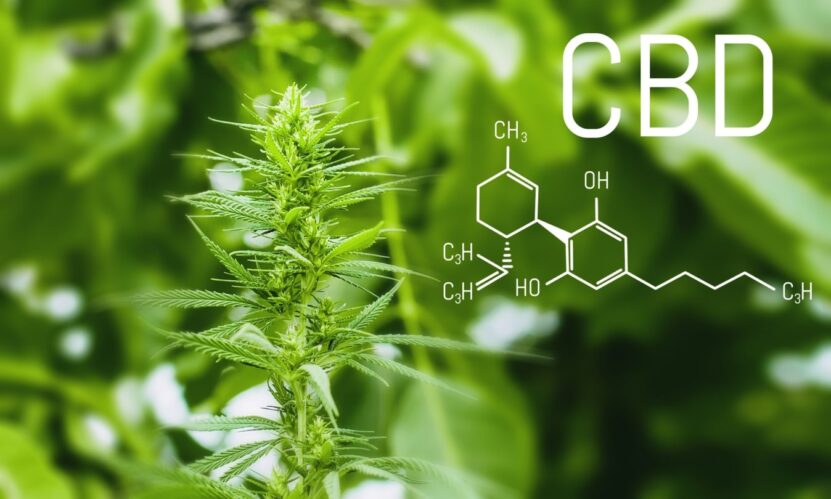
Given how much variation exists state to state, and how quickly these laws can change, a few habits go a long way toward staying on the right side of the law:
Check your state’s current rules
Laws around hemp and CBD have shifted multiple times in the past few years, and what was legal last year isn’t guaranteed to still be legal today. A quick search for your state’s current hemp or CBD statute is worth the two minutes it takes.
Look for a Certificate of Analysis (COA)
A reputable CBD seller will provide third-party lab testing results showing exactly how much THC and CBD is in a given batch. This is especially important in states with strict THC thresholds, where trace amounts can make the difference between a compliant product and a non-compliant one.
Understand what you’re actually buying
CBD isolate, broad-spectrum, and full-spectrum products all have different THC profiles. Isolate contains no THC at all, broad-spectrum is formulated to remove THC while keeping other cannabinoids, and full-spectrum retains trace THC within the federal legal limit. If you live somewhere with strict THC rules, or if you’re subject to workplace drug testing, that distinction matters.
Be mindful of drug testing
Even federally compliant, full-spectrum CBD can occasionally trigger a positive result on a drug test, since it may still contain trace THC. If that’s a concern, an isolate-based product is generally the safer choice.
Buying CBD Online
For most people living in states with straightforward CBD laws, buying online is often more convenient than trying to track down a reliable product locally.
Reputable online retailers typically post their lab results publicly, list THC content clearly, and ship according to each state’s specific restrictions rather than treating the whole country the same way.
If you’re looking for a simple, accessible way to try CBD, CBD gummies are one of the most popular entry points. They offer a pre-measured, consistent dose in an easy, familiar format, without the need to measure drops or calculate serving sizes the way you would with a tincture. For anyone new to CBD, that predictability makes it easier to figure out what dose works for you before exploring other product types.
The Bottom Line
CBD’s legal status in the US isn’t a single yes-or-no answer. It’s a patchwork shaped by federal hemp law, individual state statutes, and the specific type of product you’re buying.
The good news is that for the large majority of states, hemp-derived CBD that meets the federal THC limit is legal and widely available, both in stores and online.
The best step any buyer can take is a quick check of their own state’s current rules and a look at a product’s lab results before adding it to cart.