
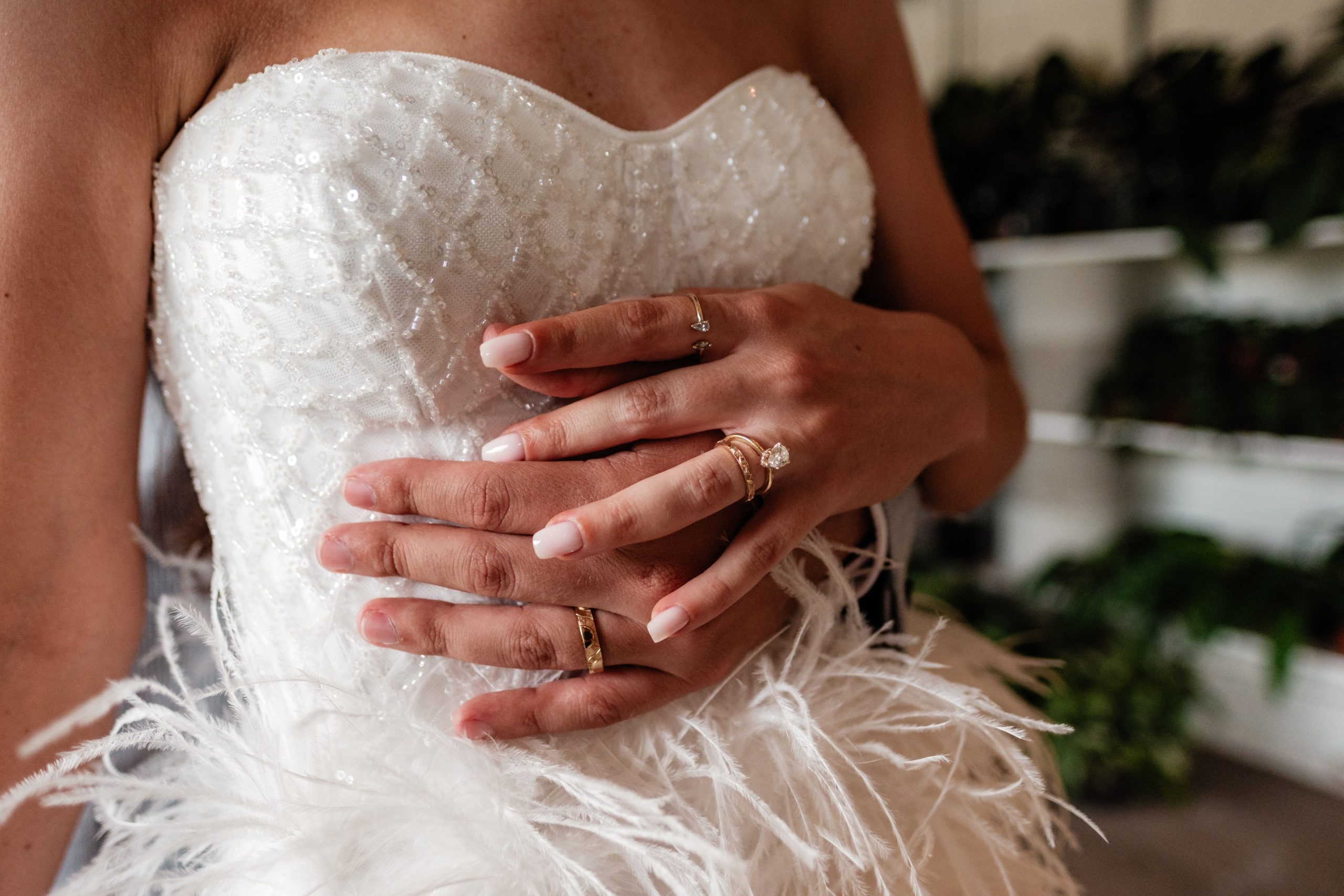
A wedding band may be smaller than an engagement ring, but choosing one involves more than finding a design that looks good beside it. The band needs to complement the engagement ring, feel comfortable for regular wear, and suit the bride’s personal style. Some brides prefer a simple polished finish, while others look for diamond-set designs, unusual shapes, or bands that create a more distinctive combination when stacked.
Jean Dousset offers wedding bands alongside its lab-grown diamond jewelry, giving brides different designs to explore when planning their wedding jewelry. Modern wedding band trends are not limited to one particular look. From traditional plain bands to diamond-set styles, the right choice depends on how the ring fits into the bride’s existing jewelry and the way she wants to wear it.
Classic Bands for Brides Who Prefer Simplicity
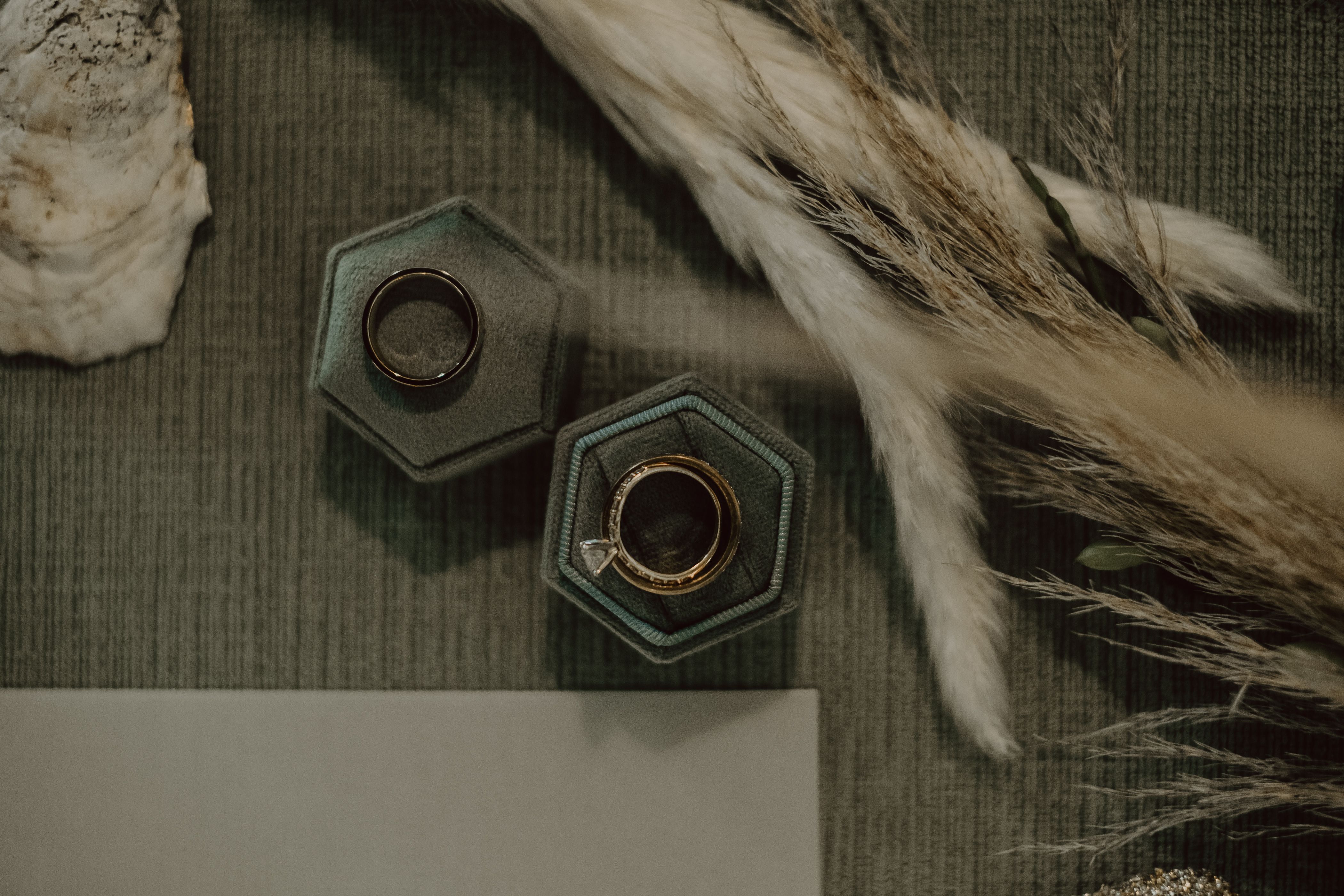
A plain wedding band remains a popular choice for brides seeking a ring that is easy to wear with different outfits and jewelry. Its appeal lies in its straightforward design, which can complement an engagement ring without competing for attention. A polished gold band, for example, can work with a solitaire engagement ring or a more detailed setting.
Even within this traditional style, there are several choices to make. A narrow band creates a different look from a wider one, while a rounded profile differs from a flatter design. Metal colour also affects the final combination, particularly when the engagement ring is worn alongside the wedding band.
For brides exploring women’s wedding bands, these details are useful starting points. The ring should feel comfortable on the hand and sit well beside the engagement ring. Some brides prefer a close fit between the two rings, while others like a visible gap that allows each design to stand out.
A classic band can also be a practical choice for someone who expects to wear the ring every day. Its simple profile makes it easier to pair with different jewelry, whether the occasion calls for a casual outfit or formal clothing.
Diamond Bands for Brides Who Want More Detail
Diamond-set wedding bands offer another way to personalize a traditional ring. Depending on the design, diamonds may run across the top of the band, form a continuous row, or appear as individual accents. These differences affect how the ring looks beside an engagement ring and how much detail it adds to the overall combination.
Pavé bands are one option for brides who like diamonds arranged closely along the band. A shared-prong setting offers a different appearance, while other settings can place more metal around each diamond. The choice depends on the preferred look, comfort, and how the band will be worn.
Jean Dousset’s wedding band designs can be explored by brides who want to coordinate diamond details with their engagement ring. A band with diamonds may complement a solitaire by adding detail around it, while a simpler band can work better when the engagement ring already has a prominent centre diamond.
When comparing wedding bands for women, it is worth looking at the ring from different angles rather than judging it only from the top. The setting, band width, and spacing between diamonds all contribute to the finished appearance. It is also useful to ask how the band will sit against the engagement ring, since some combinations may leave a gap or rub against one another.
Lab-Grown Diamond Wedding Bands for Contemporary Bridal Jewelry
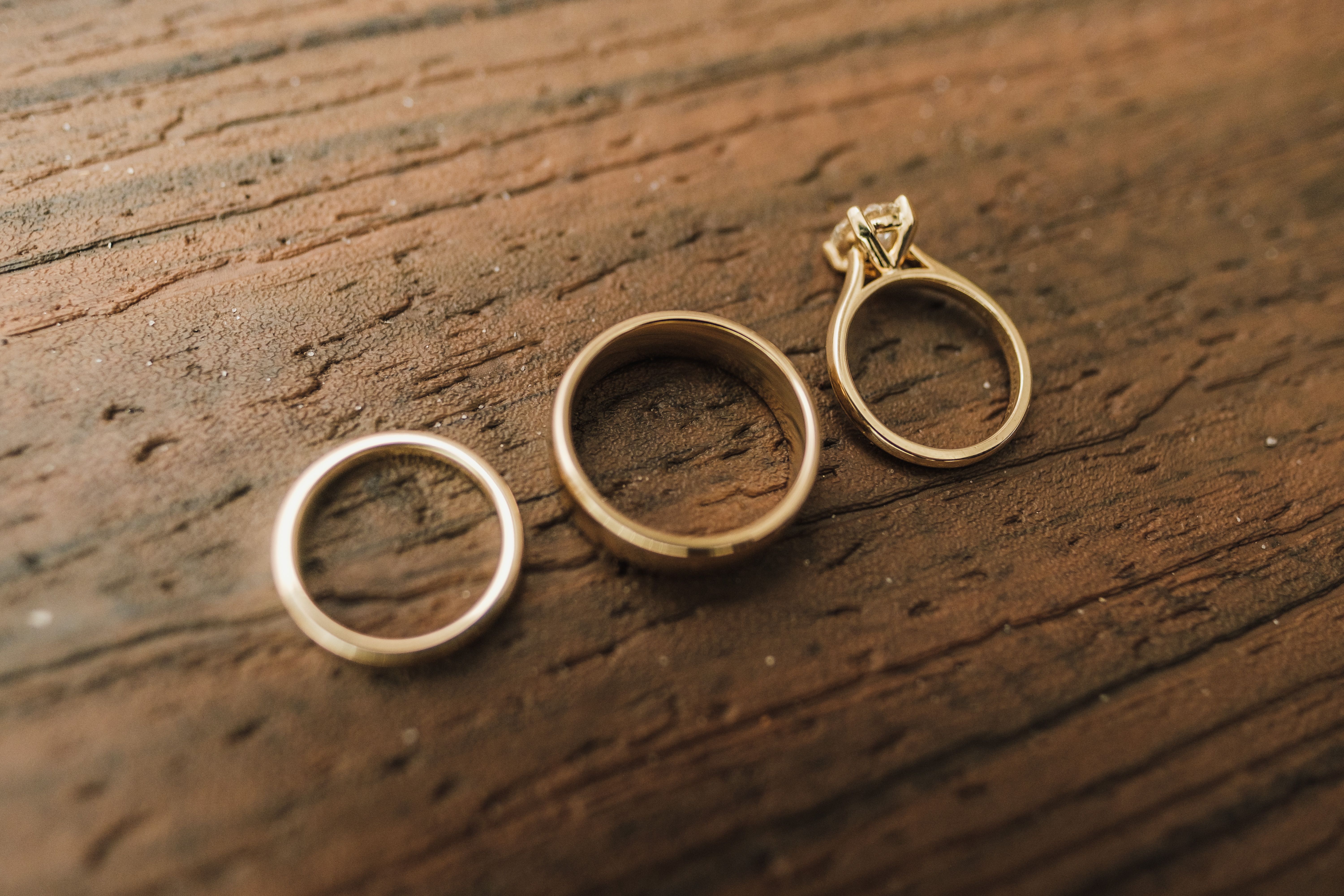
Lab-grown diamonds give brides another option when choosing the details of their wedding jewelry. They can be incorporated into a range of band designs, from rows of small diamonds to rings featuring more prominent diamond arrangements. Shape, size, setting, and metal colour all influence the finished piece.
Lab-grown diamond wedding bands can suit brides who want diamond detail while exploring different combinations of design and budget. Some may choose a band that closely matches the engagement ring, while others may prefer a contrasting style that gives the two rings separate identities.
Jean Dousset selects the top 0.1% of lab-grown diamonds for its jewelry. For brides considering its designs, diamond selection is one part of the decision, alongside the setting and the way the finished band complements the engagement ring.
It is helpful to look at the wedding band and engagement ring together before making a final choice. A band with closely set diamonds may pair well with a simple solitaire, while a more elaborate engagement ring may call for a band with fewer additional details. The objective is to find a combination that suits the bride’s taste and feels comfortable for everyday wear.
Contoured Bands for Engagement Ring Pairings
Not every engagement ring sits neatly beside a straight wedding band. A setting with a low profile, an unusual shape, or a prominent centre diamond may leave a gap when paired with a conventional band. This is where contoured wedding bands can be useful.
A contoured band has a curve or shaped section designed to accommodate the outline of another ring. Depending on the design, it may follow the base of the engagement ring more closely and create a coordinated combination. Some brides prefer this close fit, while others choose a straight band because they like the separation between the rings.
The best option depends on the engagement ring’s setting and the appearance the bride wants to achieve. Trying the bands together can reveal whether they sit comfortably, align as intended, and allow enough room for everyday movement.
For brides who want both rings to appear connected, a contoured band can be a practical solution. Those who prefer each ring to have its own presence may find that a straight band creates the look they want. Neither choice is more modern than the other; the decision comes down to the pairing and personal preference.
Stacking Bands for Brides Who Like a Layered Look
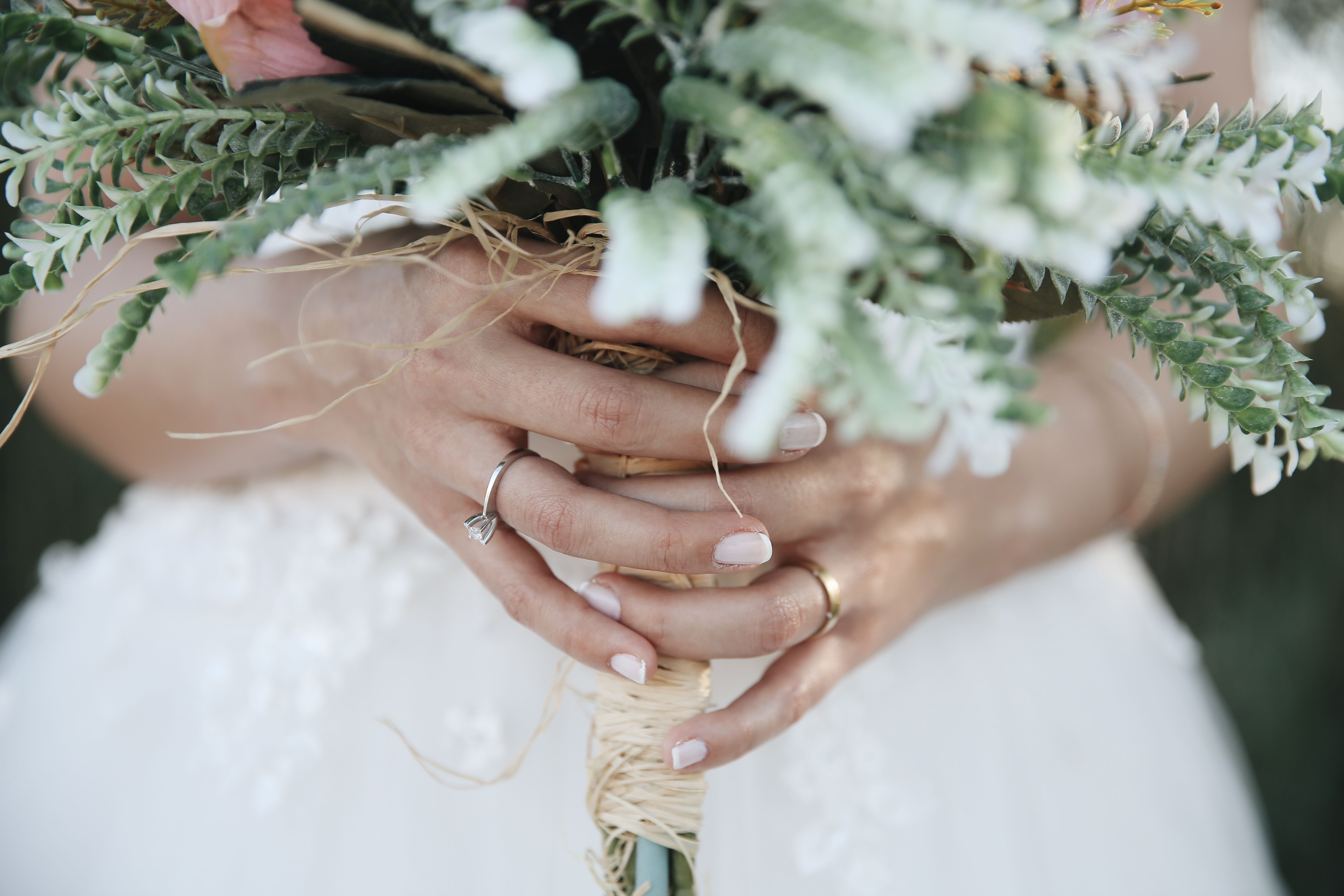
Stacking wedding bands is another way to make bridal jewelry more personal. Rather than choosing a single band to complete the engagement ring, some brides combine two or more rings with different widths, finishes, or diamond arrangements.
A narrow polished band can sit beside a pavé band, for example, creating contrast without requiring the rings to match exactly. Others may choose bands with similar settings for a more coordinated appearance. Metal colour can also be used to introduce variation, provided the rings work comfortably together.
When exploring lab diamond wedding bands, consider how each design will look on its own as well as when stacked. A band chosen for a layered combination should have a suitable profile and fit. Rings that are too wide or have settings that catch against one another may be less comfortable for regular wear.
Stacking also allows a wedding jewelry collection to develop over time. A bride might begin with one wedding band and later add another to mark an anniversary or personal milestone. The additional ring can introduce a new design detail without requiring the original band to be replaced.
Choosing a Wedding Band for Your Bridal Style
Wedding band trends can offer inspiration, but the most suitable design is one that works with the bride’s preferred look, engagement ring, and daily routine. Thinking about personal style can help narrow the options.
- For a classic bridal style: A plain polished band or a simple diamond band can complement traditional engagement ring designs.
- For a modern, minimal look: Consider a clean band profile with a finish or shape that gives the ring its character without adding extensive detail.
- For a diamond-focused style: Explore pavé or other diamond-set bands, paying attention to how the diamonds align with the engagement ring.
- For a distinctive combination: A contoured band or a contrasting design can create a pairing that feels less conventional.
- For a layered look: Choose bands with compatible profiles and experiment with differences in width, metal colour, or diamond placement.
These categories are starting points, not fixed rules. A bride can combine elements from different styles to create a look that feels personal. The engagement ring should guide the choice, but it does not have to dictate every detail.
What to Consider Before Making a Final Choice
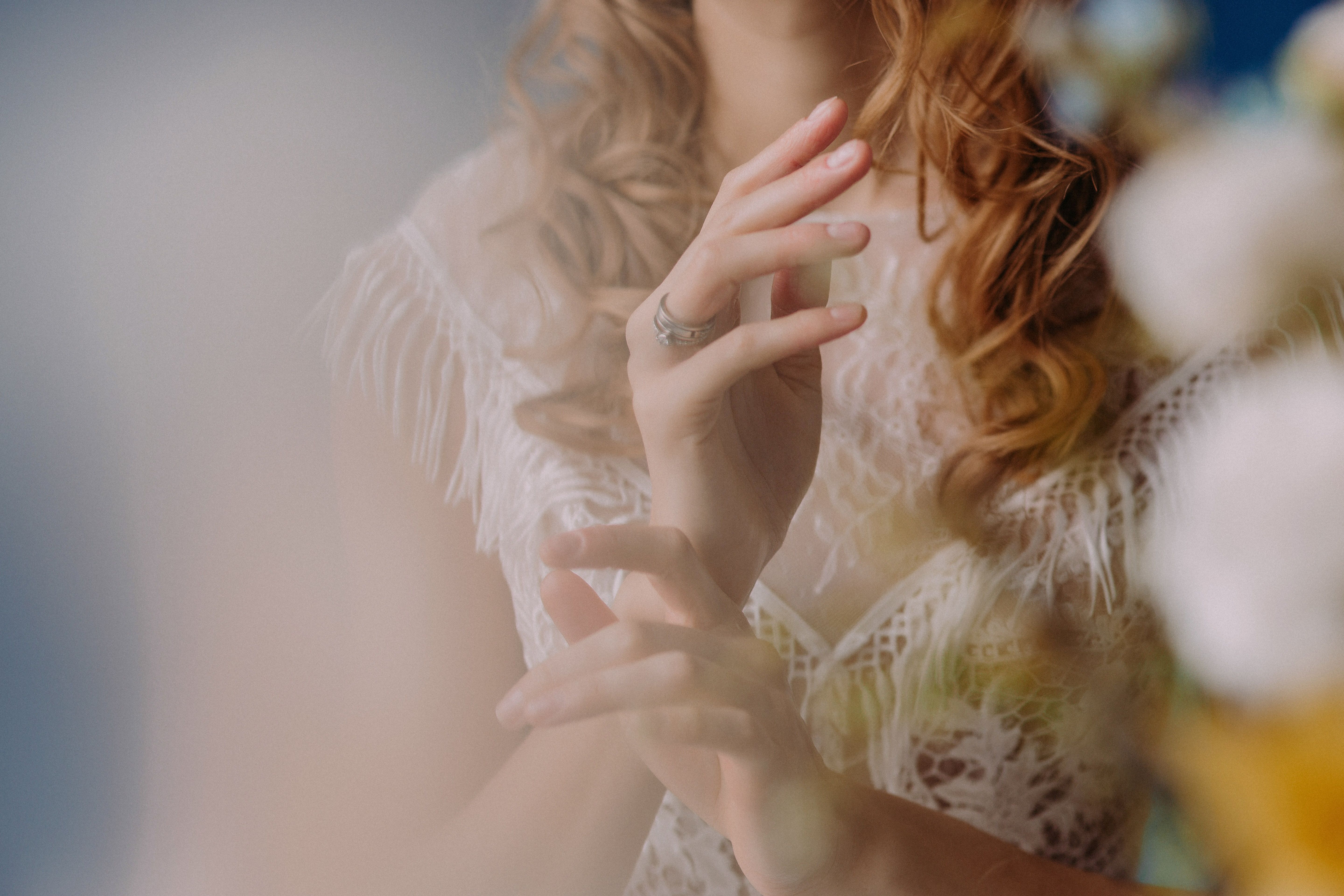
Appearance is only one part of choosing a wedding band. Since the ring is intended for regular wear, comfort, fit, and compatibility with the engagement ring also matter.
Check whether the band sits securely on the finger and whether its edges feel comfortable. If it will be worn beside an engagement ring, examine how the two rings meet and whether their settings interfere with one another. For diamond-set designs, ask about the setting construction and the care required to keep the ring in good condition.
It is also worth considering how the band will work with jewelry already in the collection. A ring that complements existing metal colours and design details may offer more styling options. Brides should also decide whether they want the wedding band to be a close match for the engagement ring or a separate piece with its own character.
Jean Dousset’s wedding jewelry designs provide options to explore across different bridal preferences. Comparing band profiles, diamond arrangements, and metal finishes can help brides identify a combination that works with the engagement ring and suits their personal style.
Finding a Wedding Band That Feels Like Your Own
Modern wedding bands offer plenty of ways to personalize a traditional piece of jewelry. A plain band can appeal to a bride who values simplicity, a diamond-set design can add detail, and a contoured or stacked combination can create a more individual look. The most suitable choice depends on how the band works with the engagement ring and whether it feels right for everyday wear.
Jean Dousset’s lab-grown diamond jewelry gives brides different designs to explore as they build their wedding jewelry collection. Rather than choosing a band solely because it follows a trend, consider its fit, setting, appearance, and relationship with the engagement ring.
A wedding band does not have to be unusual to feel personal. Sometimes, the right metal finish or a small difference in the diamond arrangement is enough to make a traditional design feel distinctly yours. Choosing a band that suits both personal taste and daily life can make it a meaningful part of the jewelry collection for years to come.