
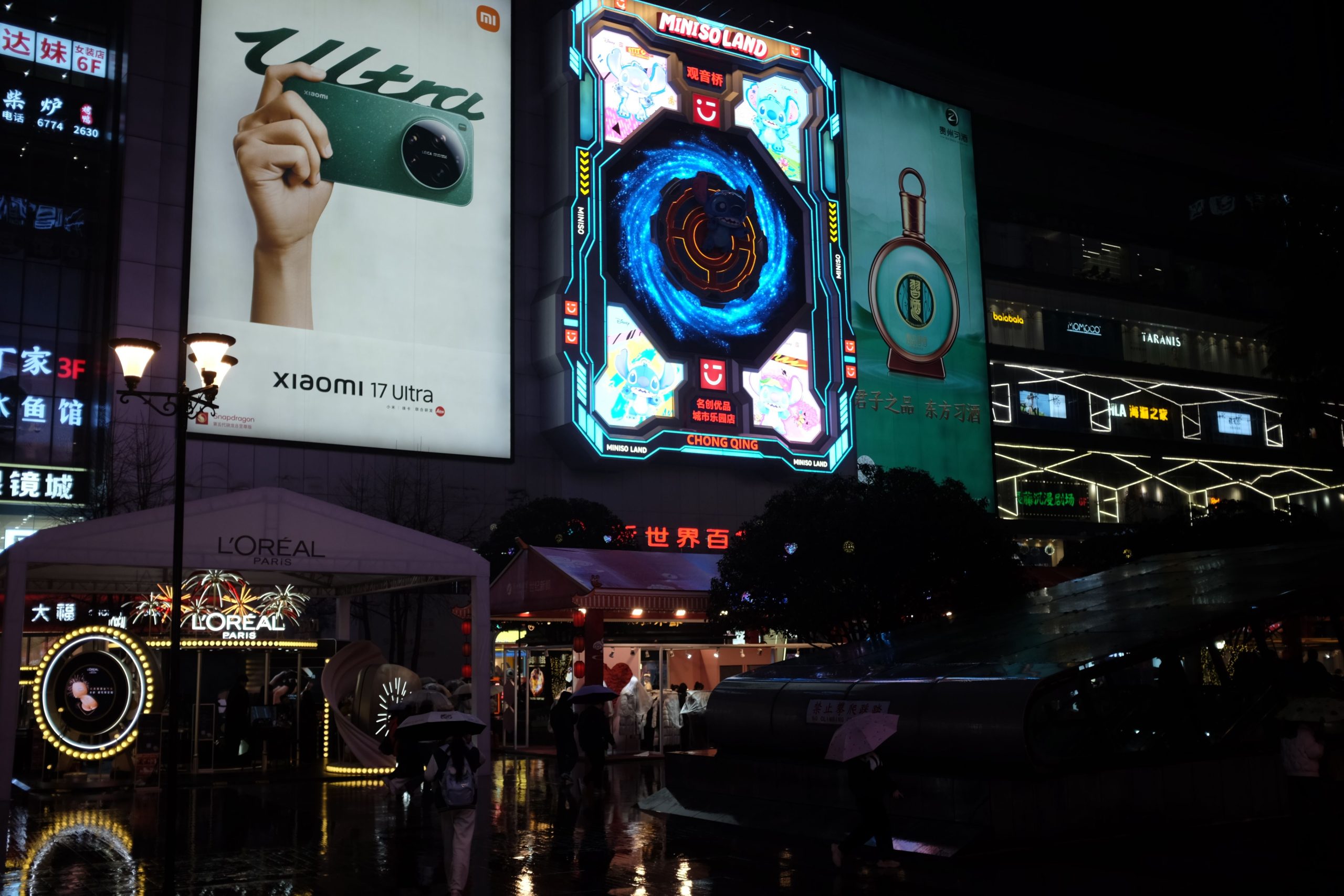
Walk through a busy district at nine in the evening and count the phones. Not everyone is scrolling. Some people are watching short videos while they wait for a train, some are listening to a drama on the way home, and some are checking which event is nearby before deciding where to go. Digital entertainment has moved out of the living room and into the street, and it is changing what a night out, or a free afternoon, means in a city.
The shift is uneven, though. It helps to look at the numbers before drawing big conclusions.
The street as a screen
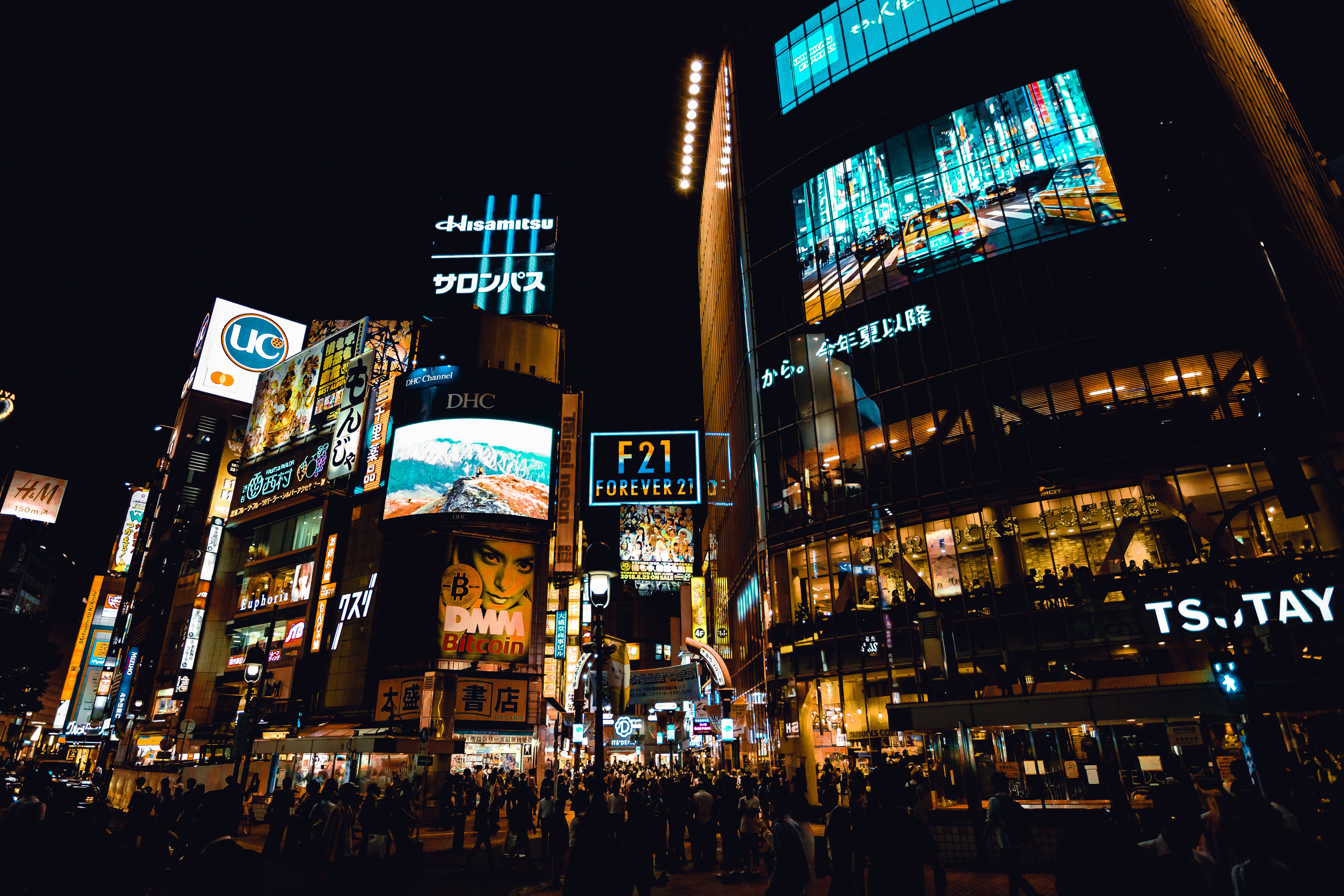
Large districts such as Shibuya Crossing in Tokyo have long worked as open-air media walls. Giant displays, illuminated storefronts, and constant sound turn a simple crossing into an event. What is new is that the same visual logic now runs in people’s pockets. A pedestrian can move through a dense neighbourhood while following a live stream, a game, or a playlist, so the city becomes a backdrop to a second layer of entertainment.
I think this matters more than it sounds. When a city’s most visible entertainment is digital, public space starts competing with private screens for attention, and the places that win are usually the ones that give people a reason to look up.
Phones as the new front door to the city
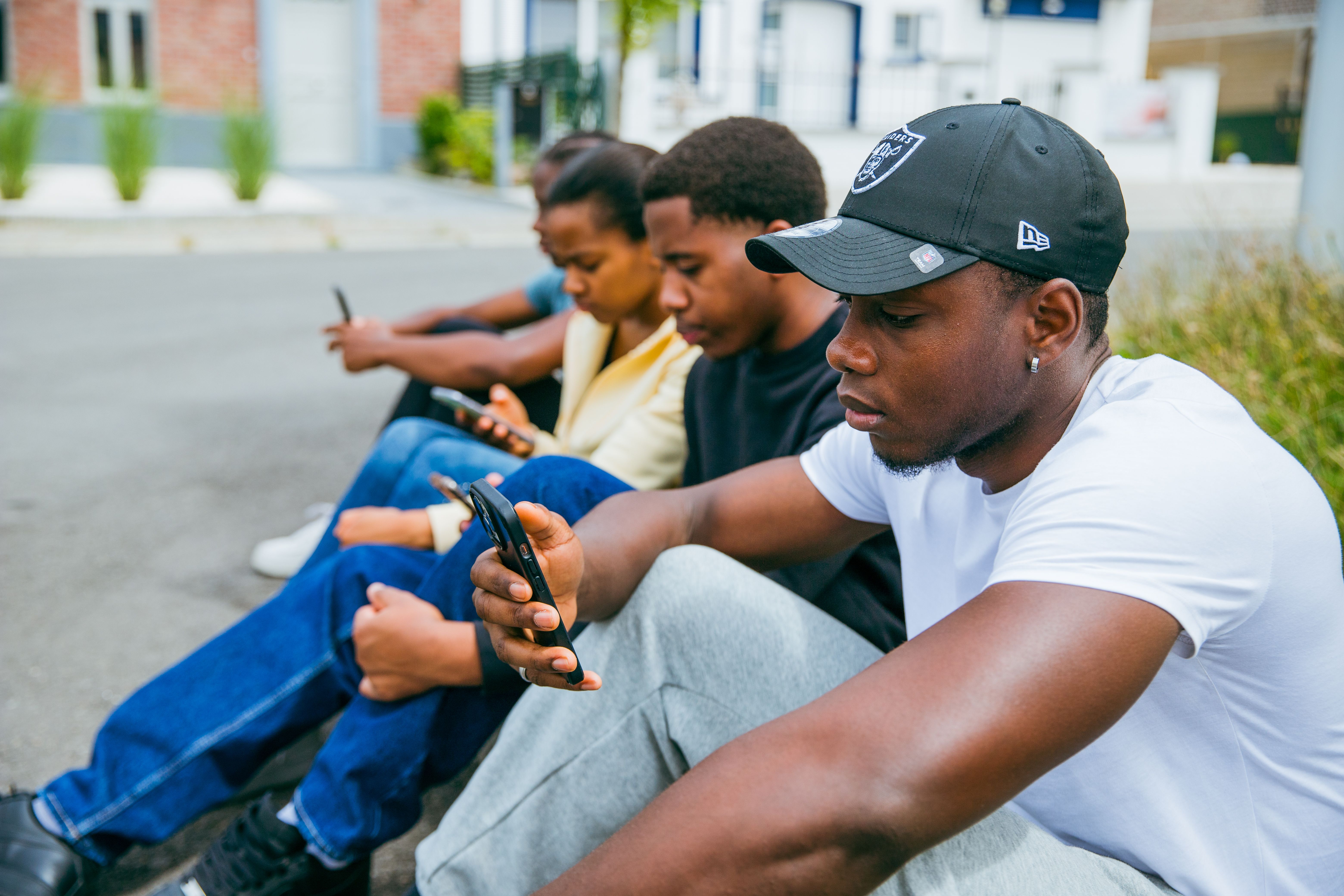
For many residents, the phone is now where the city begins. A 2026 survey by the Istanbul Planning Agency, reported by Euronews, found that 45.8% of Istanbul residents had not attended any cultural or arts event in the past year. The most cited obstacle was price: 45% pointed to high ticket and admission costs, while 38.1% said they simply lacked time because of work or school.
The same survey points to a different kind of answer. Of the respondents who said they preferred digital content to live cultural events, 34.3% cited practicality when time is short, and 29.6% pointed to lower cost and easier access. Digital entertainment is not only replacing outings. For many people it is the only option that fits into a tight week.
Online gaming has become part of this picture as well. If you are curious how operators are compared side by side, Casinous publishes online casino listings that many players use as a starting point, and you can check it out for yourself. Treat any such comparison as one input among many, check the age limits and rules that apply where you live, and set a spending limit before you start.
Entertainment that follows you outside
Cities are also experimenting with tools that connect digital entertainment to physical places. A 2026 study in the Revista Română de Informatică și Automatică looked at how smart city strategies could improve access to cultural events in Bucharest for people aged 18 to 25, particularly marginalised groups. Its survey found that 73% of participants were willing to use an app with free access, a simple interface, and location-based filters. The researchers then built a prototype progressive web app around those findings, covering offline browsing, multilingual support, and location-based event search, as described in the published paper.
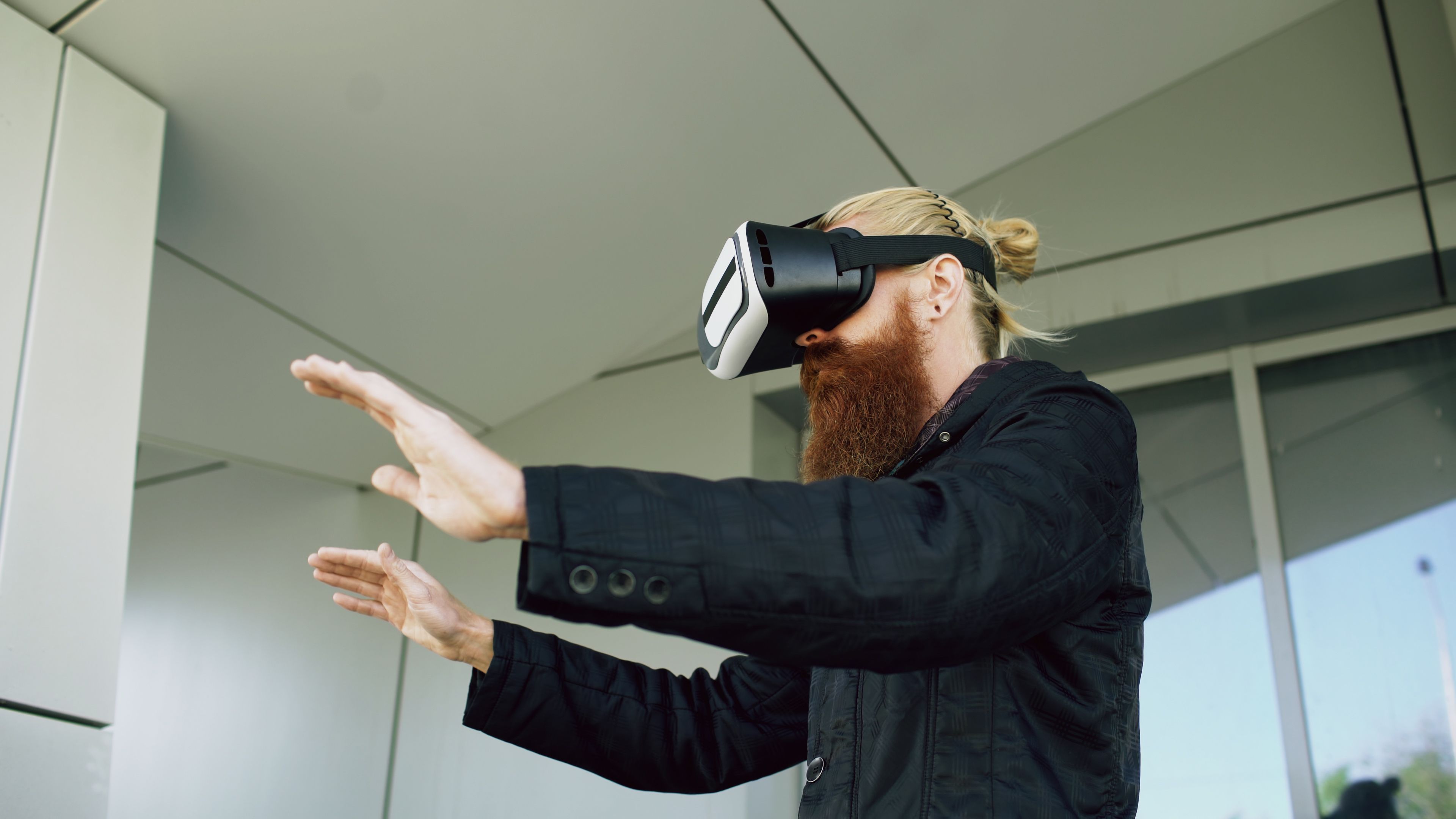
The interesting detail here is not the technology. It is the assumption behind it: that people will go out more often if finding something worth doing takes less effort. Immersive devices, from VR headsets to location-aware games, push the same idea further, turning an ordinary street or park into a place where something is always happening.
When the couch wins
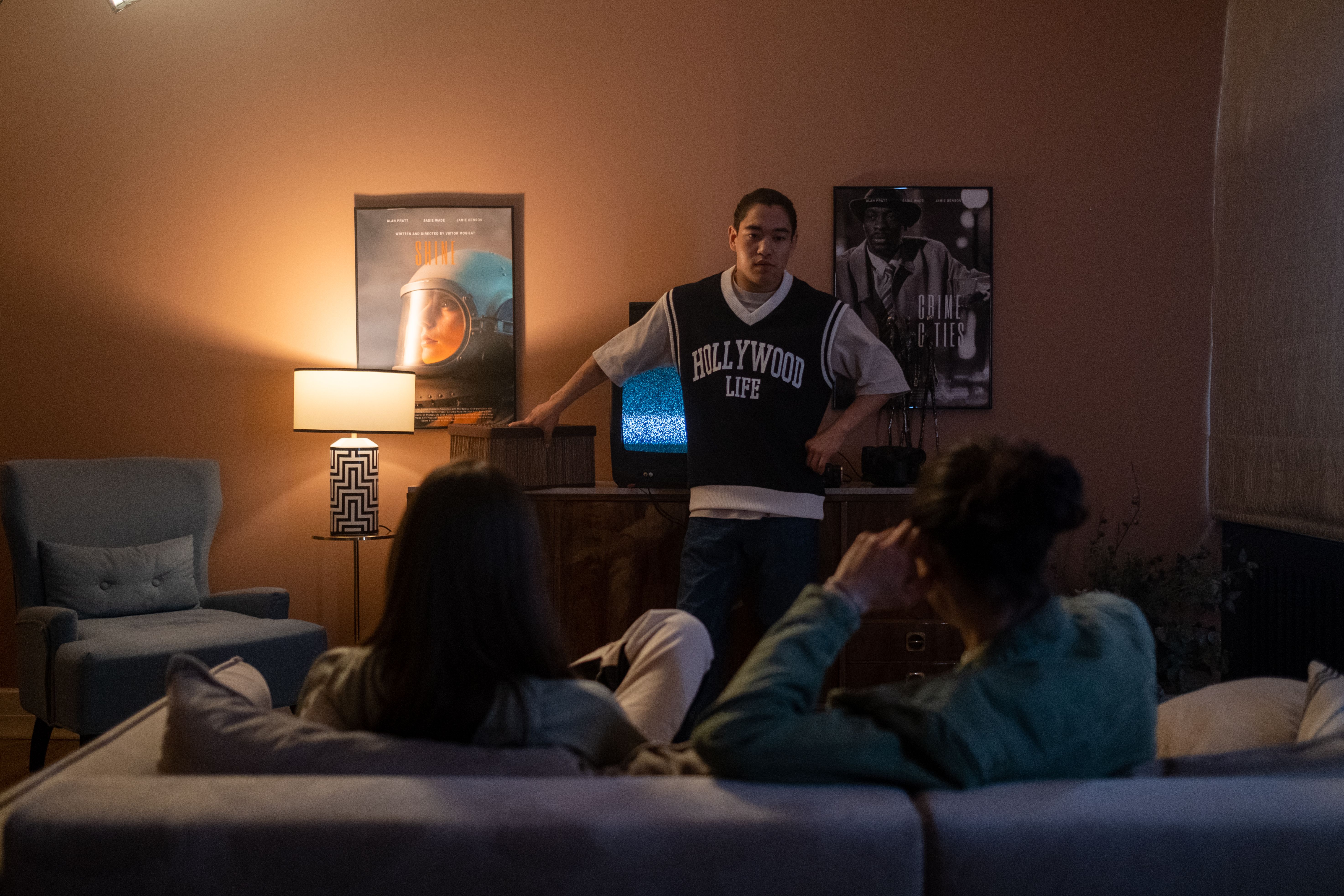
Not all of this points outward. Plenty of city life now happens indoors, around a screen that streams on demand. A 2026 interview study of 50 college students in Delhi, published in Media Asia, found that students fit streaming into their daily schedules and used it for relaxation and for talking with peers. Many also described self-regulation strategies, such as choosing what to watch selectively, which cuts against the common story that binge-watching is out of control.
The picture is not all reassuring. A 2026 survey of young people in Chennai, published in the Asian Journal of Multidimensional Research, linked heavy OTT use to late-night viewing, sleep disturbances, and reduced physical activity, while also recognising benefits such as entertainment and exposure to other cultures. A qualitative study of office workers in Greater Jakarta found that very short micro-drama episodes were slotted into gaps in the working day, serving as a quick emotional reset. Both findings can be true at once. The same app that helps someone unwind at lunch can cut into their sleep if it runs until two in the morning.
What this means for cities and residents
My read is that the real story is not that digital entertainment is replacing city life. It is filling the gaps that cost, time, and distance have left open. Where tickets are expensive or venues are far away, a phone is often the cheapest and most convenient option, and that is a reasonable choice rather than a failure of taste.
The useful question for residents is which parts of the city feel easy to reach, and which feel like effort. For planners, the lesson is that apps, public screens, and well-designed street spaces are now parts of the same cultural infrastructure. Making a neighbourhood worth stepping into, with a reason to look up from the screen and a clear way to find what is happening, may matter more than adding one more venue. The evidence is still young, and many of these studies are small, but the direction is clear enough to plan around.