
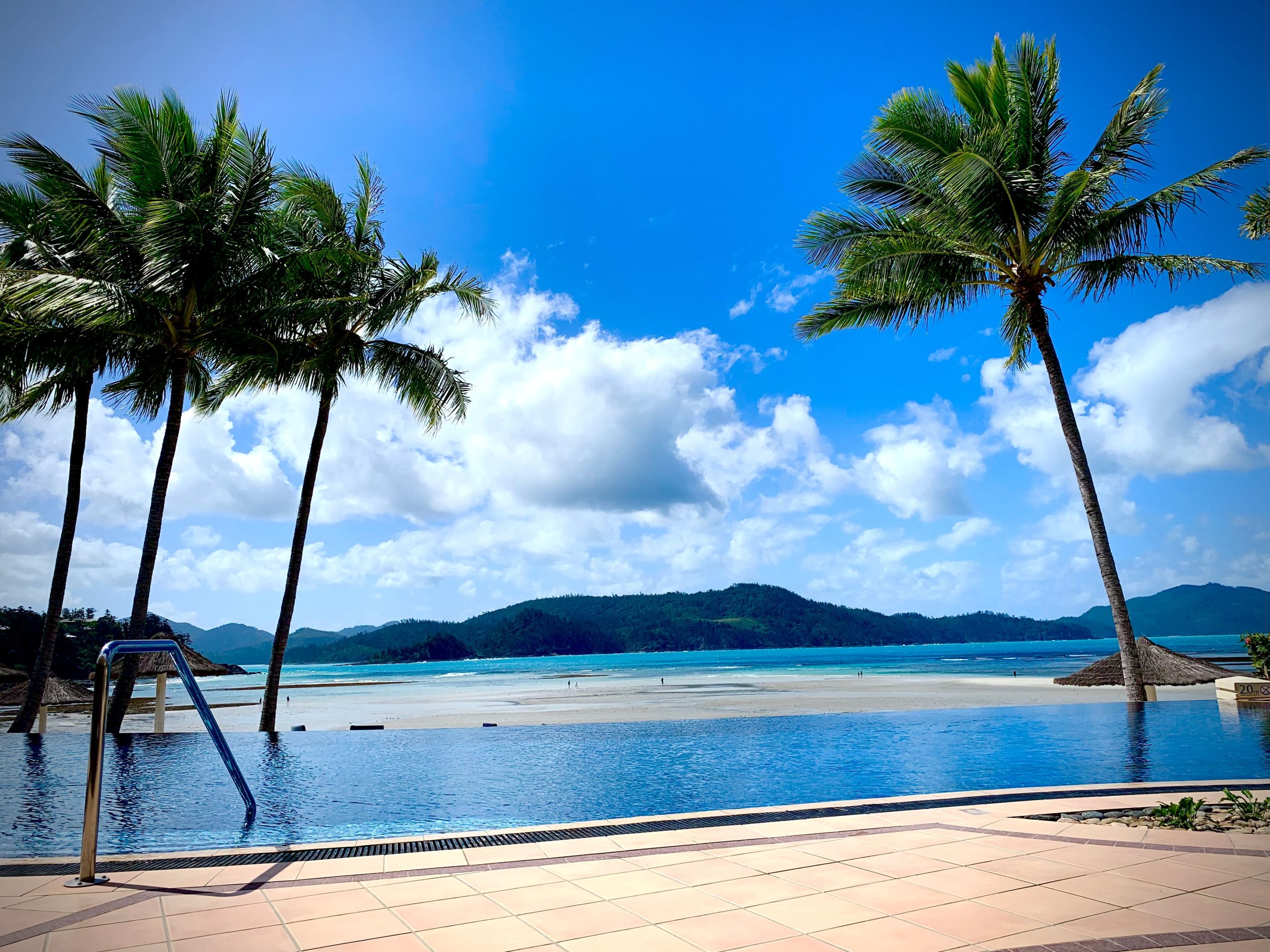
Luxury travel markets itself as comfort, and most of us buy it as status: the private pool, the suite upgrade, the photograph of a place most people will never see. Look at how these trips are actually assembled, though, and the marketing starts to look like a decoy. What a well-made journey hands you – and what you still remember a decade later – has almost nothing to do with thread counts. It comes down to a handful of moments you were completely inside. Presence is the real product, and the industry has quietly become very good at manufacturing it.
We are bad at the present by default
Psychologists have measured just how rarely we manage it. In a landmark 2010 study, Harvard researchers Matthew Killingsworth and Daniel Gilbert used an iPhone app to ping 2,250 adults at random moments and ask what they were doing and where their thoughts had drifted. The headline finding: people’s minds were wandering 46.9 percent of the time – nearly half of waking life spent anywhere but here.
As the Harvard Gazette’s account of the study notes, their minds strayed at least 30 percent of the time during every single activity except one, and a wandering mind was reliably an unhappier one, regardless of the task.
The striking part is what this implies. Unhappiness was not mostly caused by bad activities – the activity itself explained only about 4.6 percent of the variation in a person’s happiness, while mind-wandering explained more than twice that. Attention, not circumstance, is the engine of a decent day. That makes distraction a structural problem, and structural problems deserve structural answers. Which is where travel comes in.
Travel is one of the few settings where the structure genuinely changes. Jet-lagged, in a city whose language you cannot read, with no inbox and no familiar cues, your attention finds nothing to grab onto. Luxury travel simply takes that baseline and turns it up. Each element is engineered to occupy one sense at a time, because a mind that is fully occupied cannot ruminate.
What the price tag is really buying
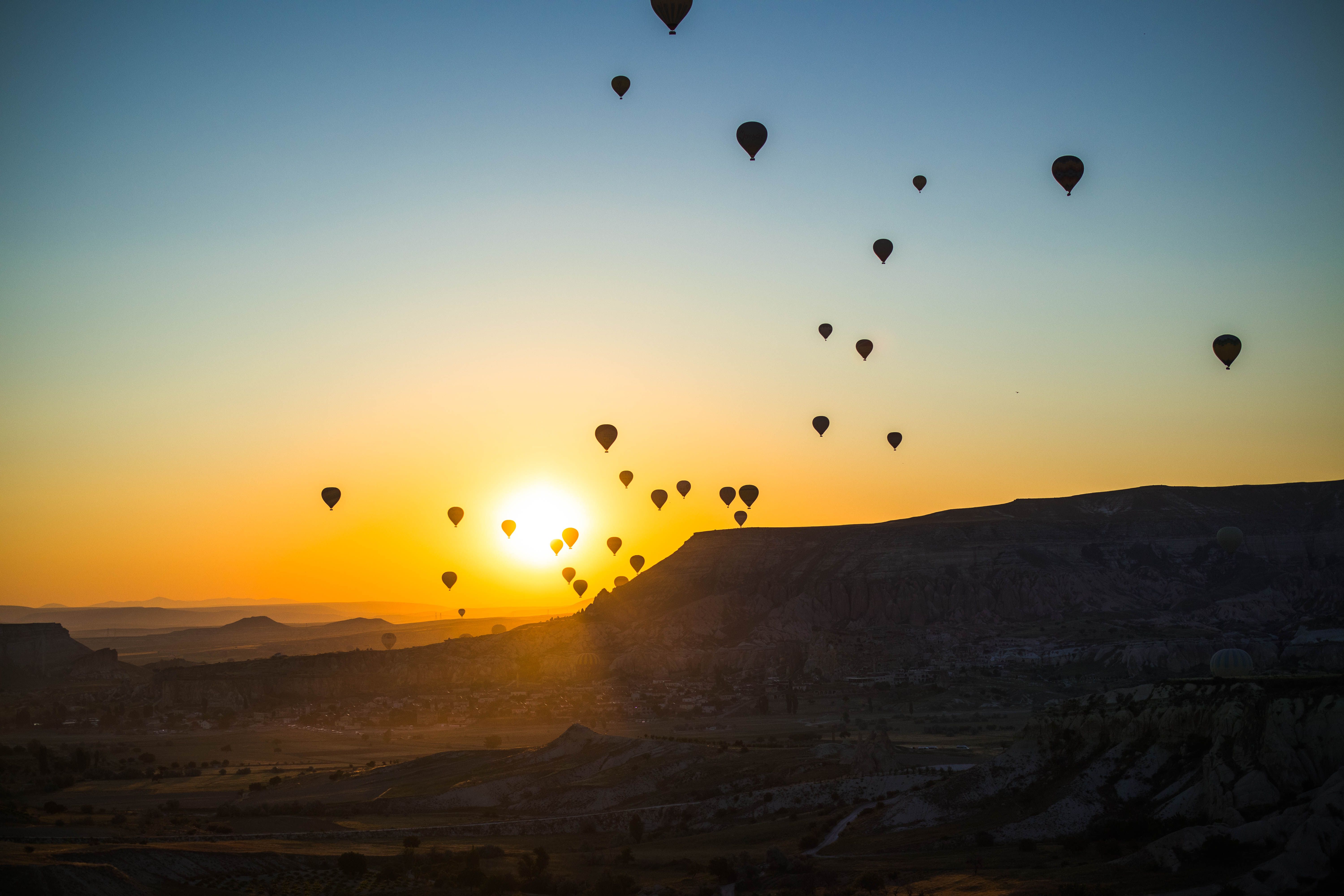
Consider the dawn balloon ride over Cappadocia. It costs several hundred euros, and on paper it looks like the most pointless luxury imaginable: you drift above the fairy chimneys for an hour and land exactly where you started. That is the point.
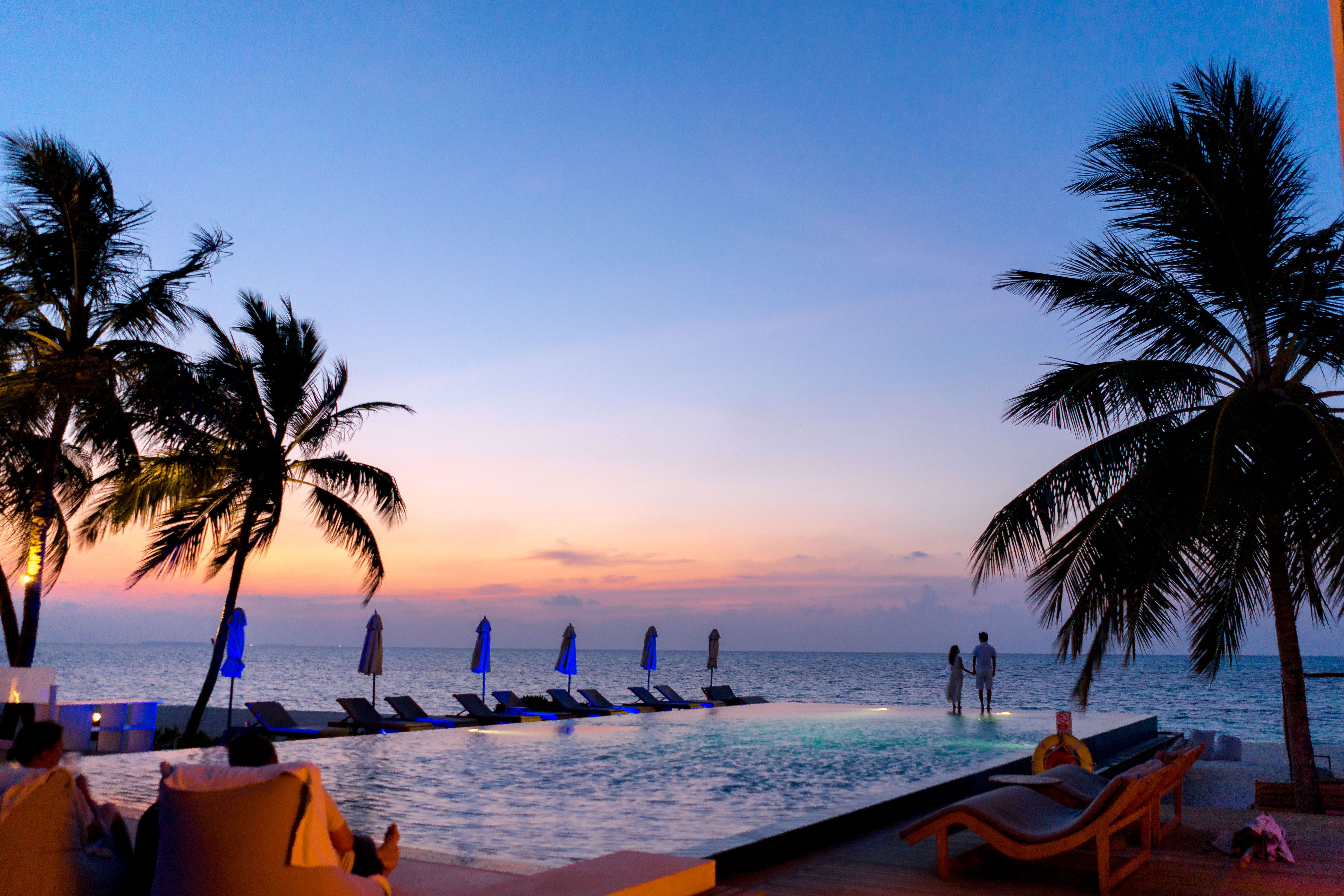
You cannot check your phone; you are gripping the basket with both hands, cold, slightly awed, watching a hundred other balloons catch the same pink light. Awe of that kind is incompatible with worrying about next Tuesday. The same logic runs through a three-hour, twelve-course tasting dinner, or a sunset beside an infinity pool with nowhere to be afterward. None of it is accidental. My read is that the best operators are not selling comfort at all; they are selling a rare, engineered spell of involuntary presence.
Here is the honest counterargument, and it deserves a fair hearing. Wellness tourism has become a staggering industry – the Global Wellness Institute put global wellness tourism spending at $894 billion in 2024. Whenever a contemplative practice becomes that kind of market, it tends to be repackaged as something to consume and display.
The sunrise yoga class becomes a photo for the grid. The silent retreat becomes a line on the résumé. You can spend a great deal of money and come home having performed mindfulness without once feeling it, because the phone came along and the audience came with it.
The catch: you can buy the opposite, too
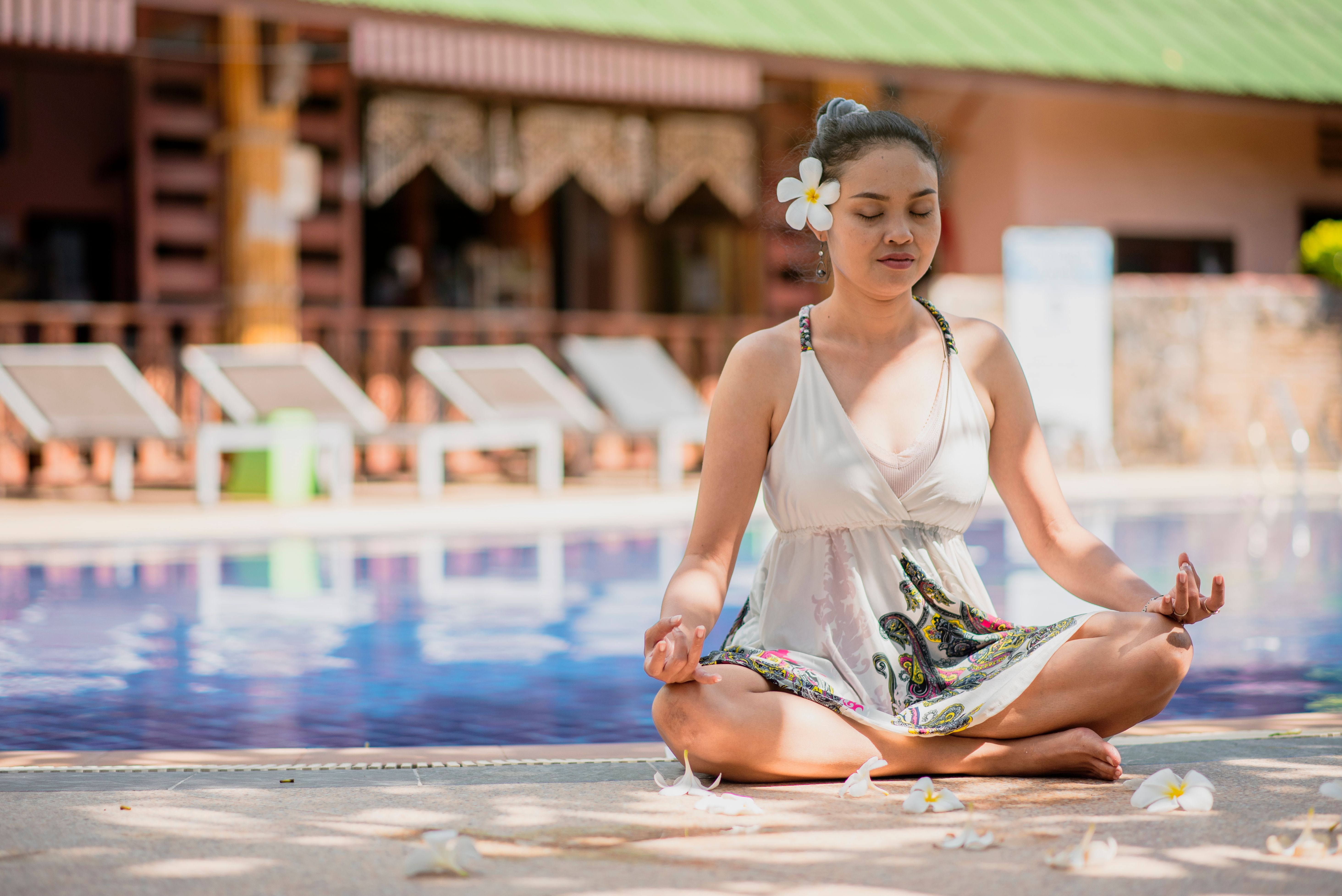
I think that critique is real but aimed at the wrong target. The brochures may be cynical; the pool at first light is not. A guest who kneels on the mat for ten minutes and simply breathes has done the thing, whether or not she posts it afterward.
What the industry gets right is more basic than its own advertising suggests: it removes the friction that keeps us scattered, and it designs environments – a quiet pool at dawn, a table set for one perfect meal – where the present moment is the path of least resistance. The failure mode is not the price. It is treating presence as a purchase instead of a practice.
Stealing the mechanics without the bill
The useful question is not how to afford any of this. It is which design choices produced that hour, and which of them you can reproduce for a tenth of the price. Strip away the veneer and the machinery turns out to be remarkably portable.
| What the itinerary buys | The lean version of the same move |
|---|---|
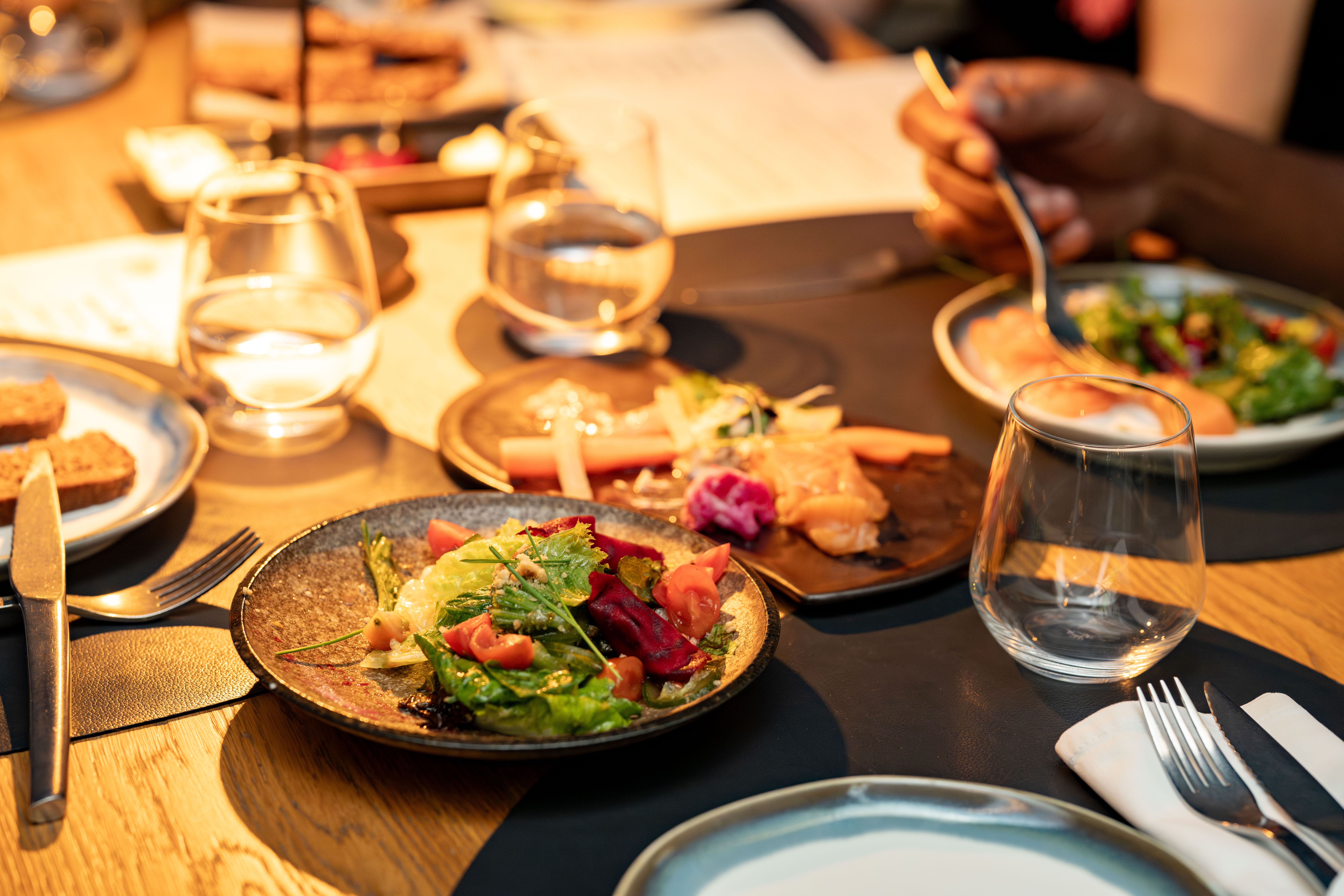
| A twelve-course tasting menu that stretches dinner into an event | One slow meal at home: phone in another room, nothing scheduled after, a bottle of something decent |
| A sunrise balloon flight that demands your full attention | One sunrise a week, watched start to finish from a window or a hill |
| A spa morning with zero notifications | Ten device-free minutes before the day begins |
| An itinerary built around long, empty afternoons | One deliberately unplanned afternoon a month |
The pattern behind all four rows is identical: luxury mostly subtracts. Fewer decisions, fewer open tabs, fewer reasons to check anything. You do not need a private chef to practice the mechanics of a long, unhurried meal; you need the resolve to protect the hour.
That is the genuinely scarce resource. The psychology here is well established – research going back to Van Boven and Gilovich’s classic work on experiential versus material purchases finds that money spent on doing reliably out-earns money spent on having, and even the anticipation of an experience adds happiness.
A well-made trip is rarely best experienced alone, though, and that is the one luxury no itinerary can engineer for you. Presence is contagious: sit across a table from someone who is genuinely there, and you find yourself more there too. That is what good travel company really provides – not conversation so much as undivided attention – which is why the request is almost never for spectacle.
On a long weekend in Munich, for example, an evening out with a München escort can be as simple as dinner and a slow walk through the Altstadt, precisely because such arrangements are honest about what they offer: a few hours in which two people agree to be fully present with each other, phones away. However you find that company, it remains the cheapest genuine luxury in travel, and the one most worth stealing.
And then there is the beach at sunset, where it all collapses into something almost embarrassingly simple. No booking required, no private chef, no itinerary – a woman sits in the sand and the sky does its unscripted thing.
The moment was never the destination

That, I think, is the real lesson luxury travel has to teach, and it has nothing to do with money. Presence is a design problem, and you can design for it anywhere – starting tonight, at home, with nothing but an hour you decide not to spend on anything else. A sunrise watched to the end costs nothing.
A dinner savored course by course, however humble, still stretches time the way a tasting menu does. Luxury was never the destination; it was only the loudest reminder that the present moment is the one destination worth arriving at, and that it stops feeling rare the moment you stop scattering yourself across ten places at once.