
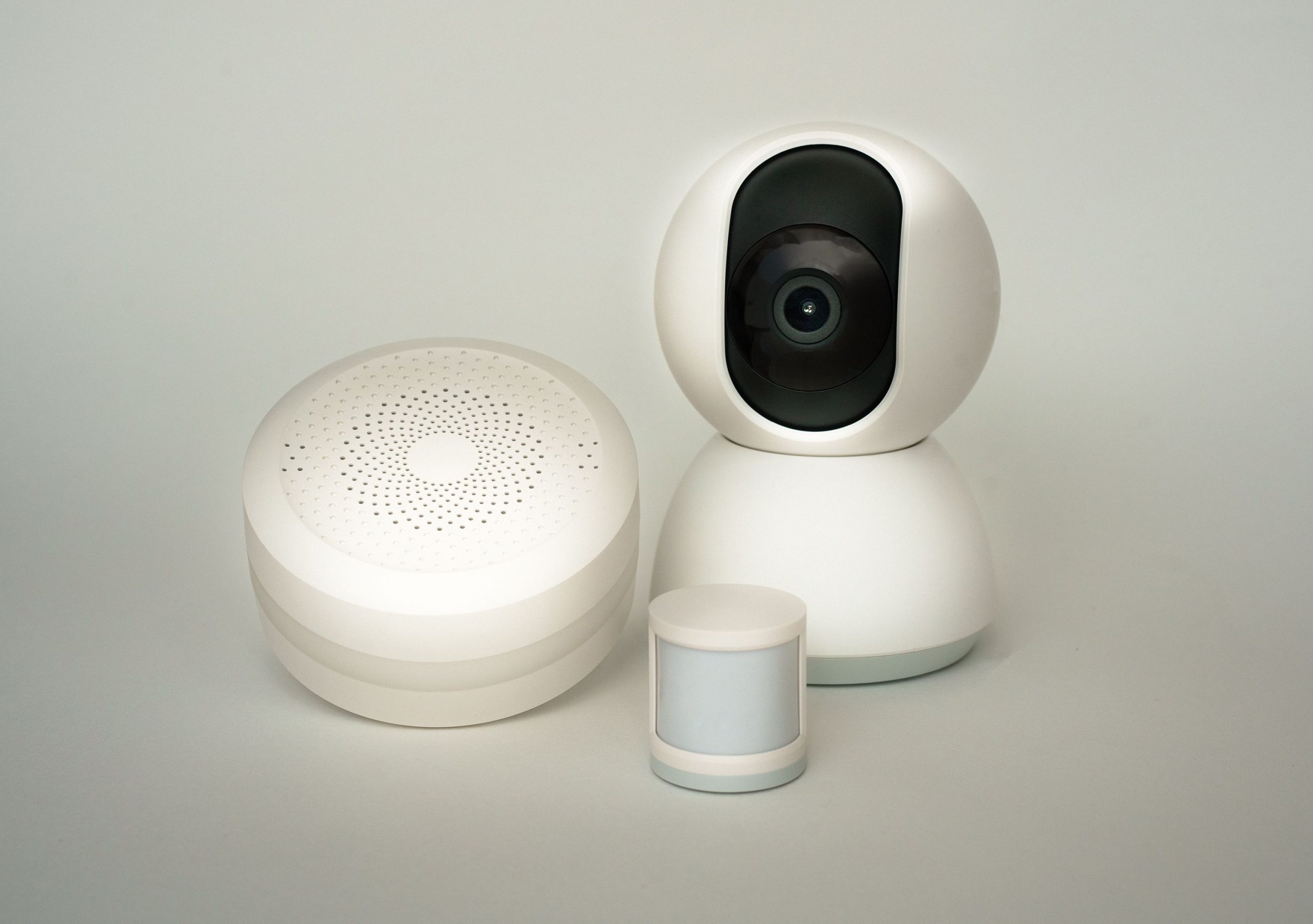
Piecemeal home security starts innocently enough. You might pick up a video doorbell on sale during a Black Friday binge. A few weeks later, you purchase a camera to give you a view of the garage. Then maybe you throw in a couple of smart door locks and some motion-activated lighting for the driveway. In just a few months, you have built yourself an entire DIY home security setup – at least in your mind.
But what have you really built?
The DIY piecemeal approach looks good on paper. It feels like a modern win when you consider how much you could actually spend on a professionally installed system. Best of all, you don’t need professional monitoring either; you can check on your cameras and motion sensors right from your smartphone. Yet what you really have is a collection of gadgets, not fully integrated home security.
The Emergency You Hope Never Happens
As a consumer, you expect your DIY security system to take care of you when an emergency strikes. Whether it’s a burglary, fire, or middle-of-the-night intrusion, you expect the devices you have installed will perform as advertised. Unfortunately, it is during genuine emergencies that piecemeal DIY setups quickly become less than ideal.
A piecemeal selection of DIY home security devices is arguably better than no home security at all, but it can give you a false sense of safety that fails you along with your system in a real emergency. With that said, here are four reasons why it would be wise to rethink a piecemeal system you are monitoring yourself:
1. The App Fragmentation Nightmare
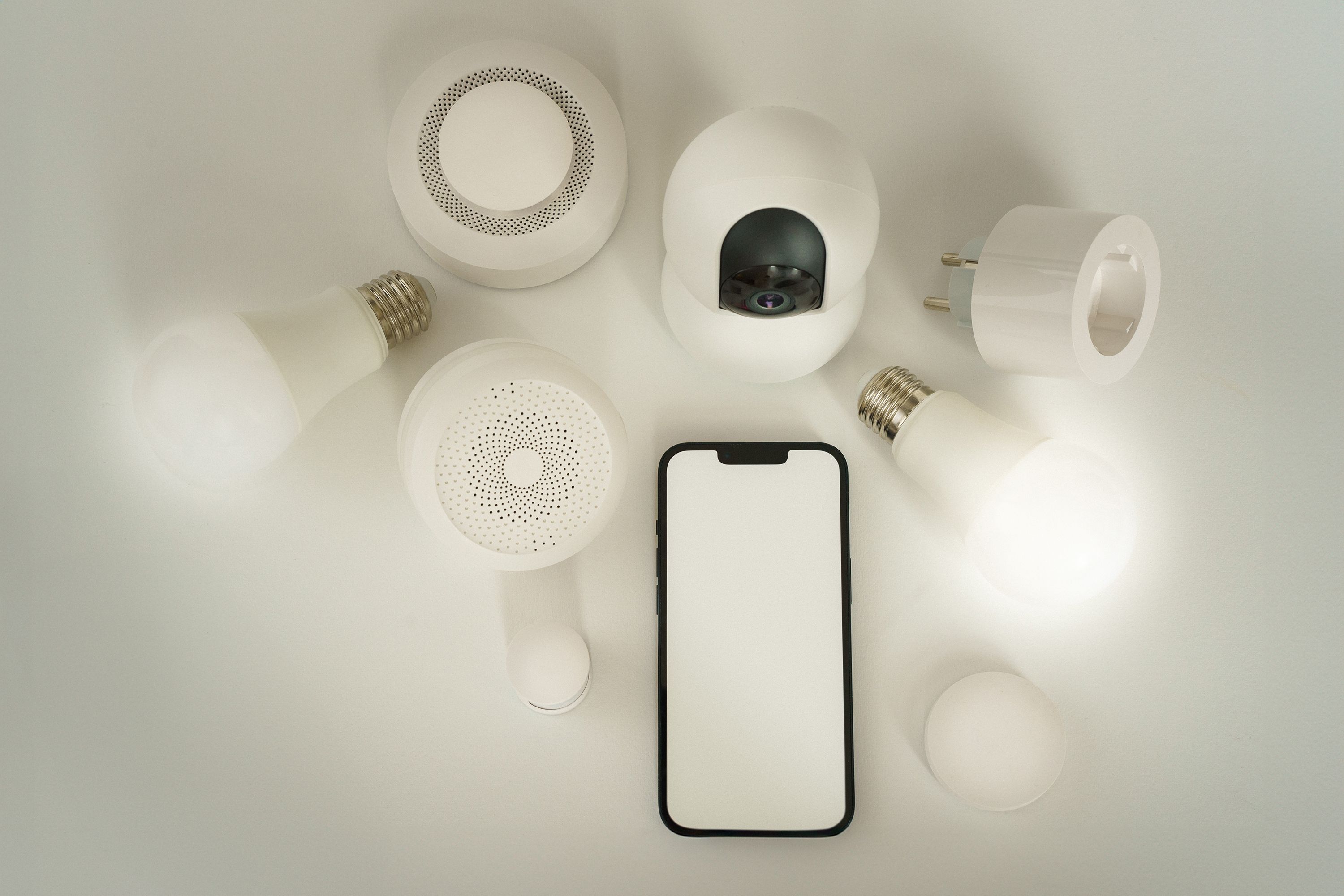
Building a piecemeal system lets you purchase different devices from different brands. That is all well and good, except that each device is going to have its own app. Your doorbell camera will use one app, while your interior cameras and floodlights run on a second app. Buy devices from four or five different brands and you will end up with an app fragmentation nightmare.
Under normal circumstances, toggling between multiple smartphone apps to keep track of your home security devices is an annoyance. But under the stress of an actual emergency, it creates a critical vulnerability. Imagine a motion sensor triggering movement at 2 o’clock in the morning. You shouldn’t have to open up one app to check the camera and switch to another to make sure the back door is locked.
A proper security system operates as a single unified ecosystem. Every device on the network communicates seamlessly through a central hub, giving you both control and total situational awareness.
2. You Are Your Own Emergency Dispatcher
When you do DIY home security, you are your own monitoring team and dispatcher. In the event of an emergency, you have to figure out whether the information you’re receiving from your system is trustworthy. Is something going on? Or is one of your devices sending you a false alarm?
Should you decide that the emergency is legitimate, you now need to contact local authorities while you’re trying to get home. Imagine trying to drive through busy traffic and communicate with a dispatcher on the other end of the phone line. It’s too much.
A professionally installed system can also be monitored professionally. Having an active monitoring subscription becomes very important when an emergency strikes.
3. Power and Wi-Fi Sometimes Go Out
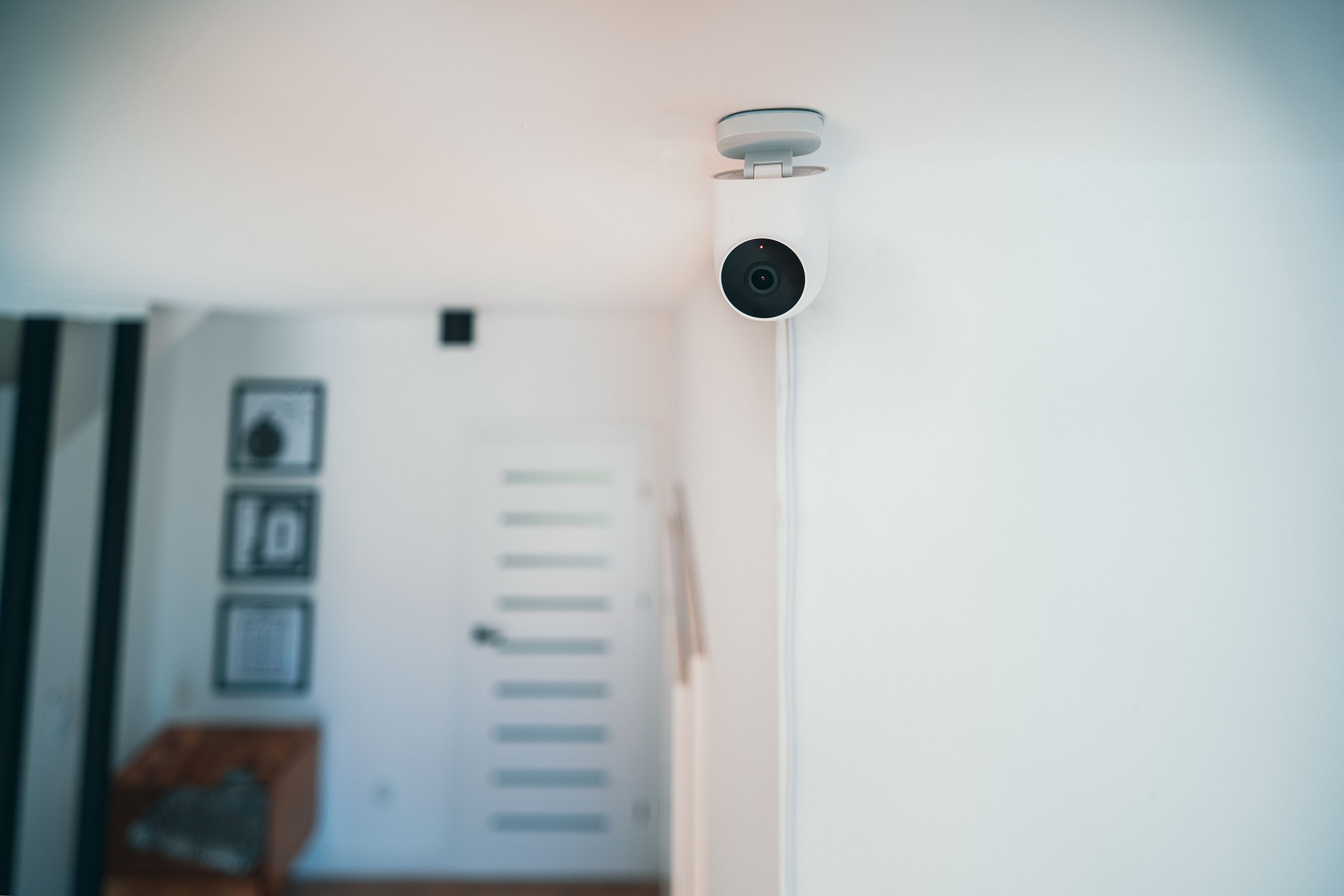
A third reason DIY piecemeal security often fails is the fact that it relies exclusively on Wi-Fi networks and local power. If one or the other goes out, your security system becomes useless. In fairness, this same problem can strike even professionally installed and monitored systems. But as a general rule, providers tend to include battery backup systems and the ability to communicate using cell signals. The built-in redundancy minimizes the chances of your system ever becoming unusable.
4. Trial and Error Installation Comes at a Cost
Rounding out the four reasons to reconsider DIY piecemeal security is actual installation. What so many homeowners fail to realize is that installation isn’t just about turning devices on and getting them connected to your home network. It actually matters where you place your devices and how you get them talking to one another.
The wireless video camera is the perfect example. If you install a camera to give a view of the front door, the camera’s angle matters. Why? Because if you get the angle wrong, the position of the sun could completely obscure your view for several hours every day.
Professional installers do not just power up the equipment and connect it to the central hub; they also do a complete walk-around of your home and determine the best locations for each device. They test each device to make sure it’s working as it should. They will even train you on how to use the system before they leave.
Professional Grade Equipment and Installation
Piecemeal DIY home security may sound like a good deal, but an emergency might prove otherwise, period. So I would always recommend to those homeowners who can afford it that they invest in a professionally installed and monitored system. There are a few affordable options, including Vivint’s HomeProtect package.
These and similar packages from competitors offer baseline security along with professional installation. Most companies also offer professional monitoring for a low monthly fee. You get all the benefits of professional home security without the hassles of trying to install things yourself. You also get a single app along with a central hub for easy control and monitoring.
If you are seriously considering DIY home security because you want to protect your property, but you don’t think you can afford a pro system, check out some of the base packages that many providers offer. If you still cannot fit it into your budget, DIY is better than nothing at all. But if you can make an entry-level pro system work financially, I still think it’s a better deal – especially if you should ever have to rely on it during a genuine emergency.