
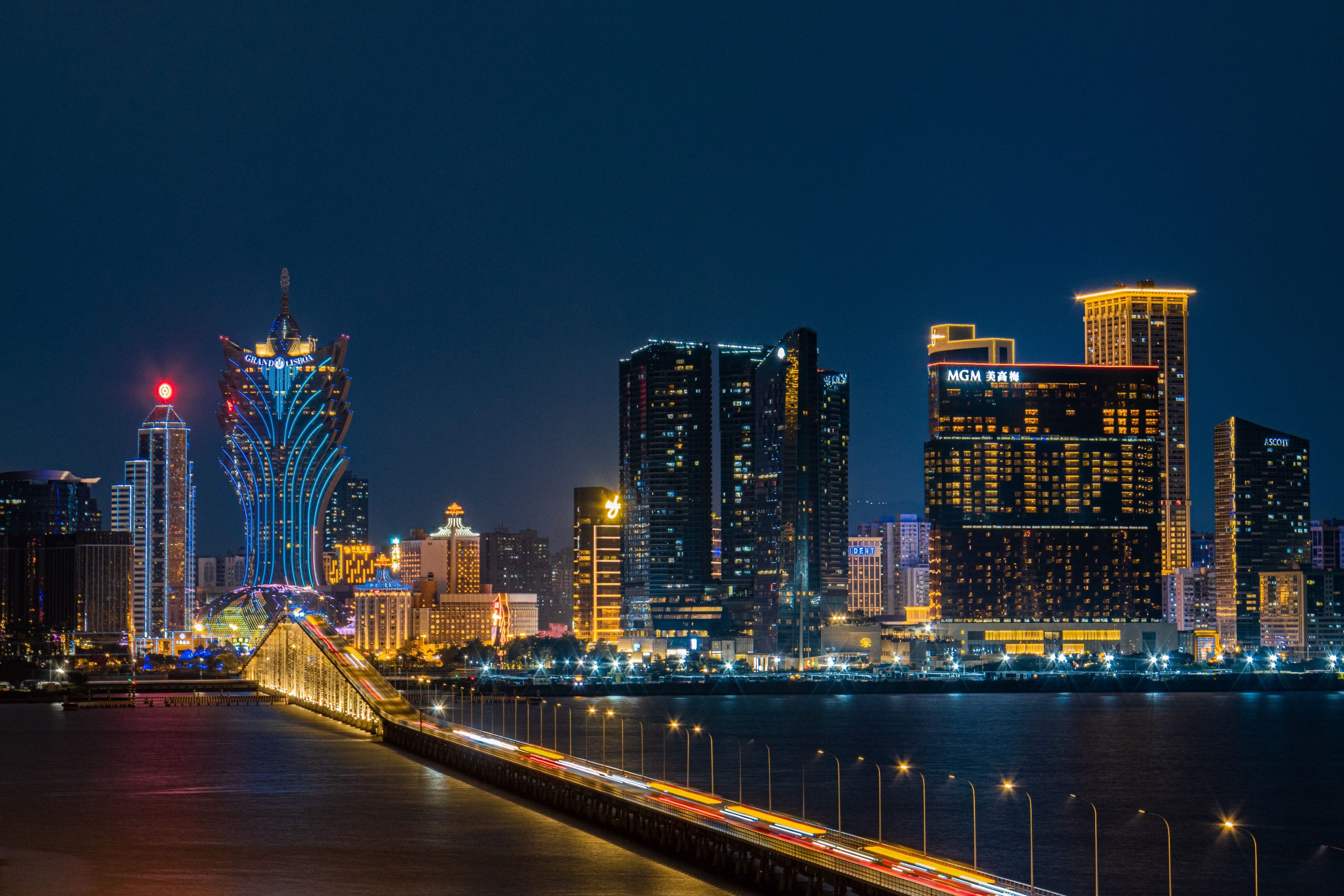
Few industries have shaped the look of a city as quickly as casino tourism. A single gaming resort can draw millions of visitors a year, and those visitors need somewhere to eat, drink, shop, watch shows and stay the night. Over several decades, that demand has pushed cities to build compact, highly designed entertainment districts that now serve as blueprints for urban nightlife across the world.
Where the Modern Casino Resort Took Shape
The idea of a casino as a destination rather than a single room of gaming tables took hold in Nevada during the twentieth century. Operators quickly learned that gamblers who arrived with a bit of spare time would often stay longer if there were restaurants, theatres and pools nearby. The result was the integrated resort, a complex where hotels, gaming floors and entertainment venues sit side by side under one roof.
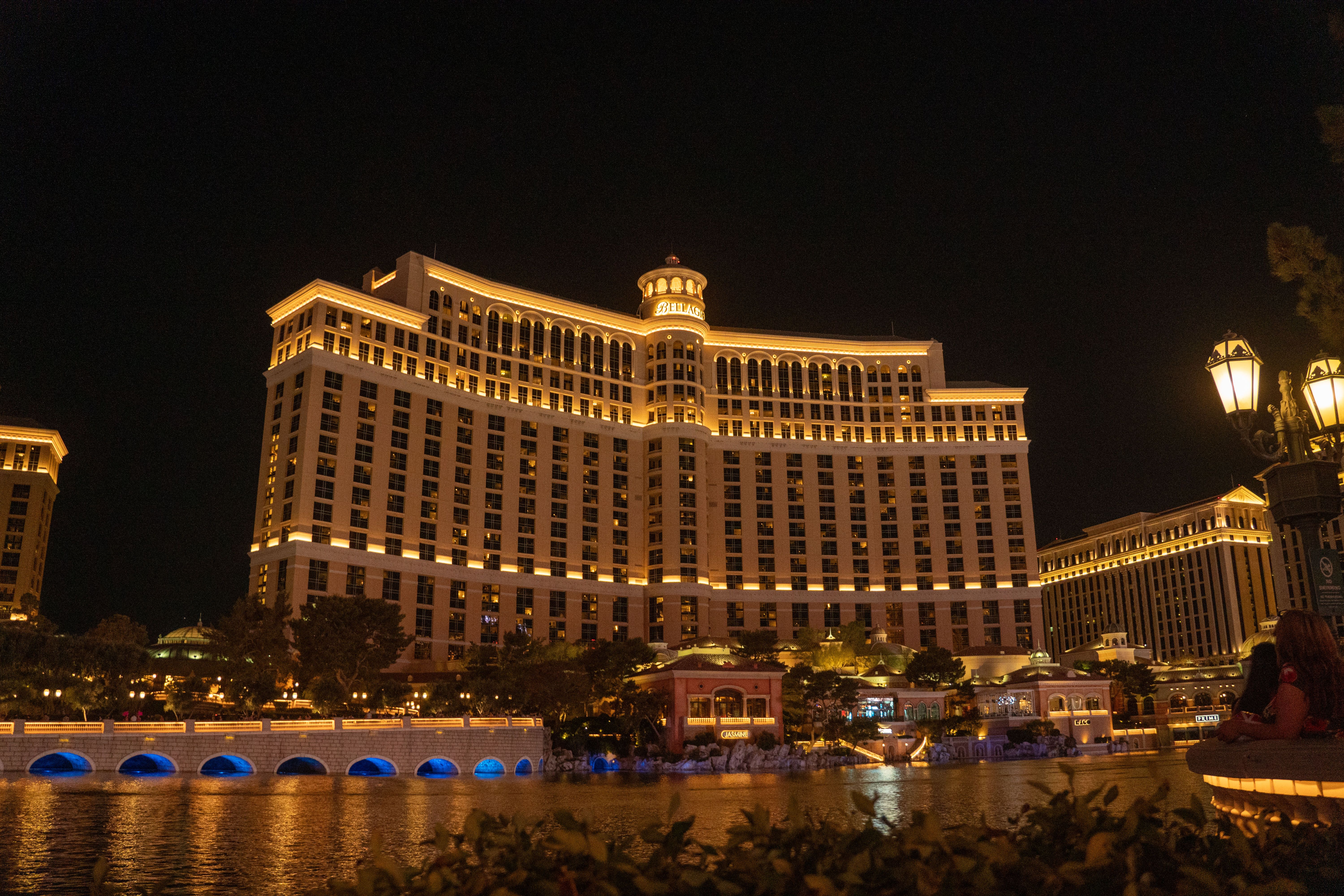
This model changed the economics of hospitality. Rooms, restaurants and shows became profit centres in their own right, and gaming was no longer the only reason to visit. Cities that once treated casinos as isolated buildings began to plan around them, creating zones where traffic, lighting, transport and public space were organised for visitors rather than for residents alone.
The Las Vegas Strip as a Design Template
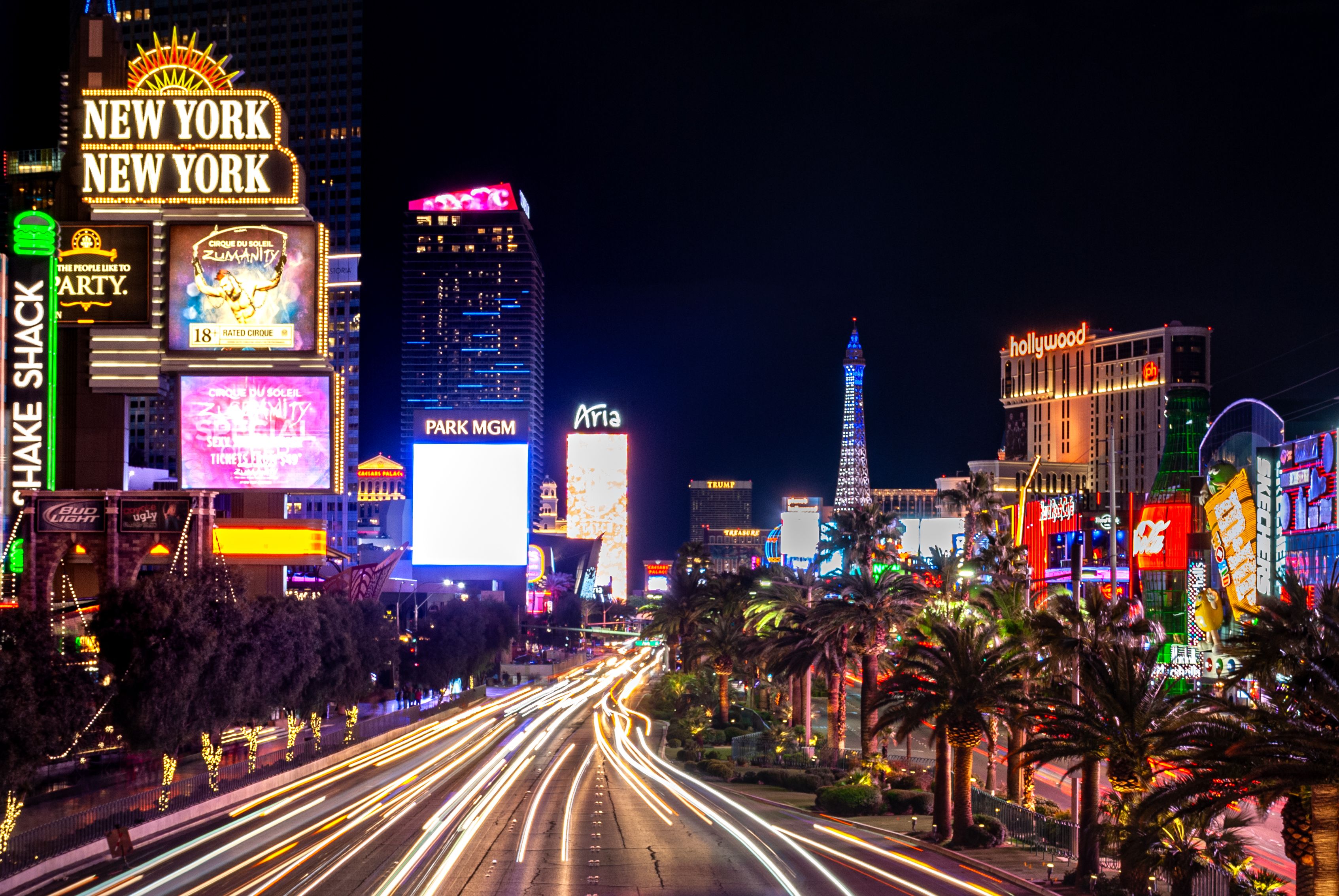
No place illustrates this shift better than the Las Vegas Strip. Its stretch of resorts, theme-park-style attractions and illuminated signage created a walkable entertainment corridor that many planners have studied since. Visitors can move between hotels on foot, and each property competes on architecture, dining and live performance. The Strip’s history of rapid expansion is well documented in the overview of the Las Vegas Strip, which traces how the corridor evolved from a highway lined with motels into a global draw.
The lesson many cities took from Las Vegas was that density matters. When hotels, restaurants and nightlife venues are close together, visitors spend more time and more money in the same area. Local businesses in neighbouring streets often benefit too, from late-night cafes to music venues that sit outside the casino walls but depend on the same foot traffic.
Casino comparison websites such as Crazyvegas show how much information modern gamblers now look for before they choose a platform, from reviews to feature summaries. Readers who want to see how different operators present their offers can explore it at crazyvegas.com
Europe and the Rise of the Regulated Red-Light and Nightlife Mile
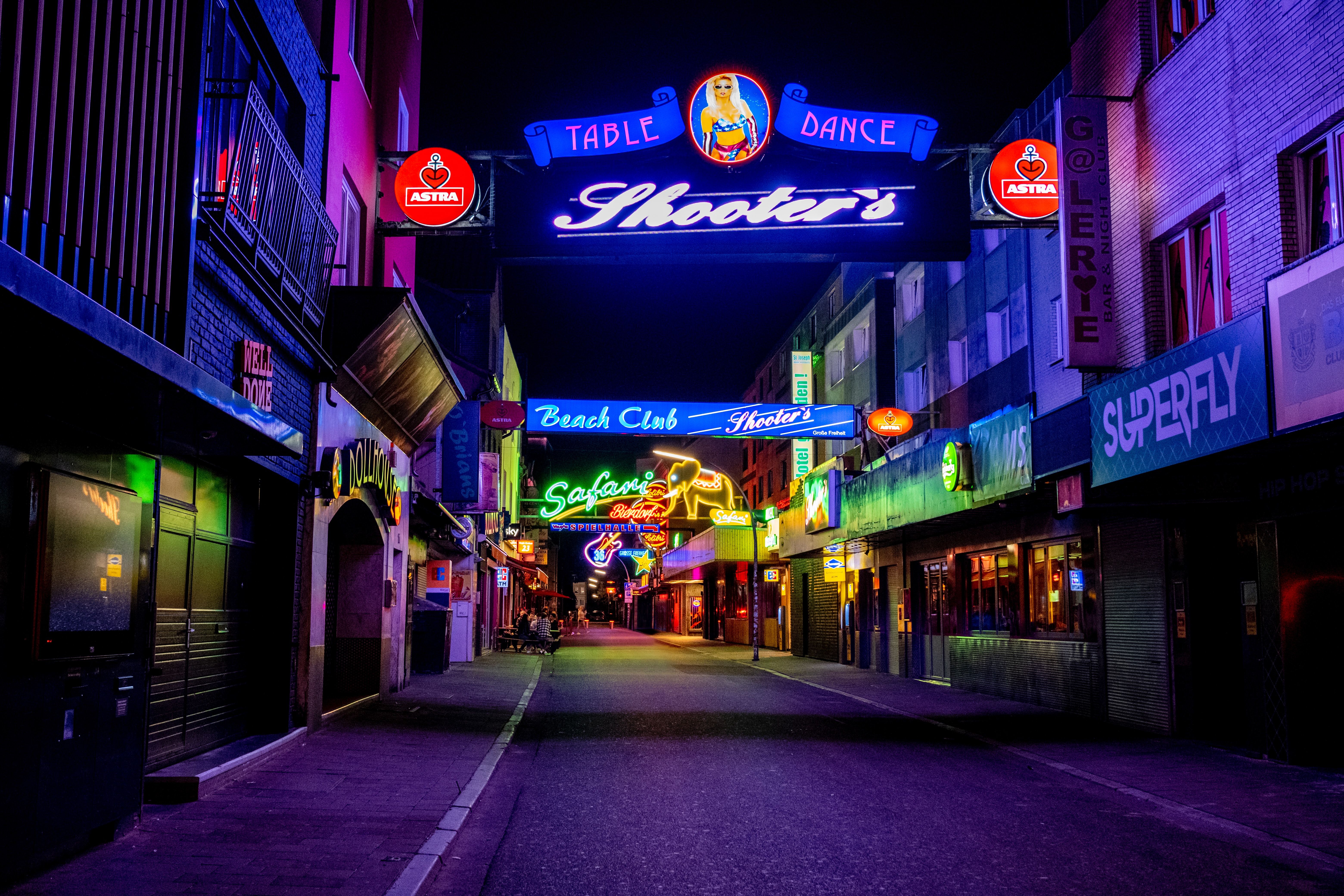
In Europe, casino tourism has often grown alongside older entertainment quarters rather than replacing them. Hamburg’s Reeperbahn is a good example. The street has long been associated with music venues, theatres and nightlife, and its reputation draws visitors from around the world. Its history and cultural role are covered in the entry on the Reeperbahn, which explains how the district developed from a port-side strip into one of Germany’s best-known nightlife areas.
What makes European districts distinctive is the mix of licensed gaming, live music and independent bars. Local authorities tend to regulate closely, balancing tourism income against noise, safety and the daily needs of residents. As a result, many European entertainment zones are shaped as much by planning rules as by the businesses that operate inside them.
Asia’s Dense Entertainment Streets
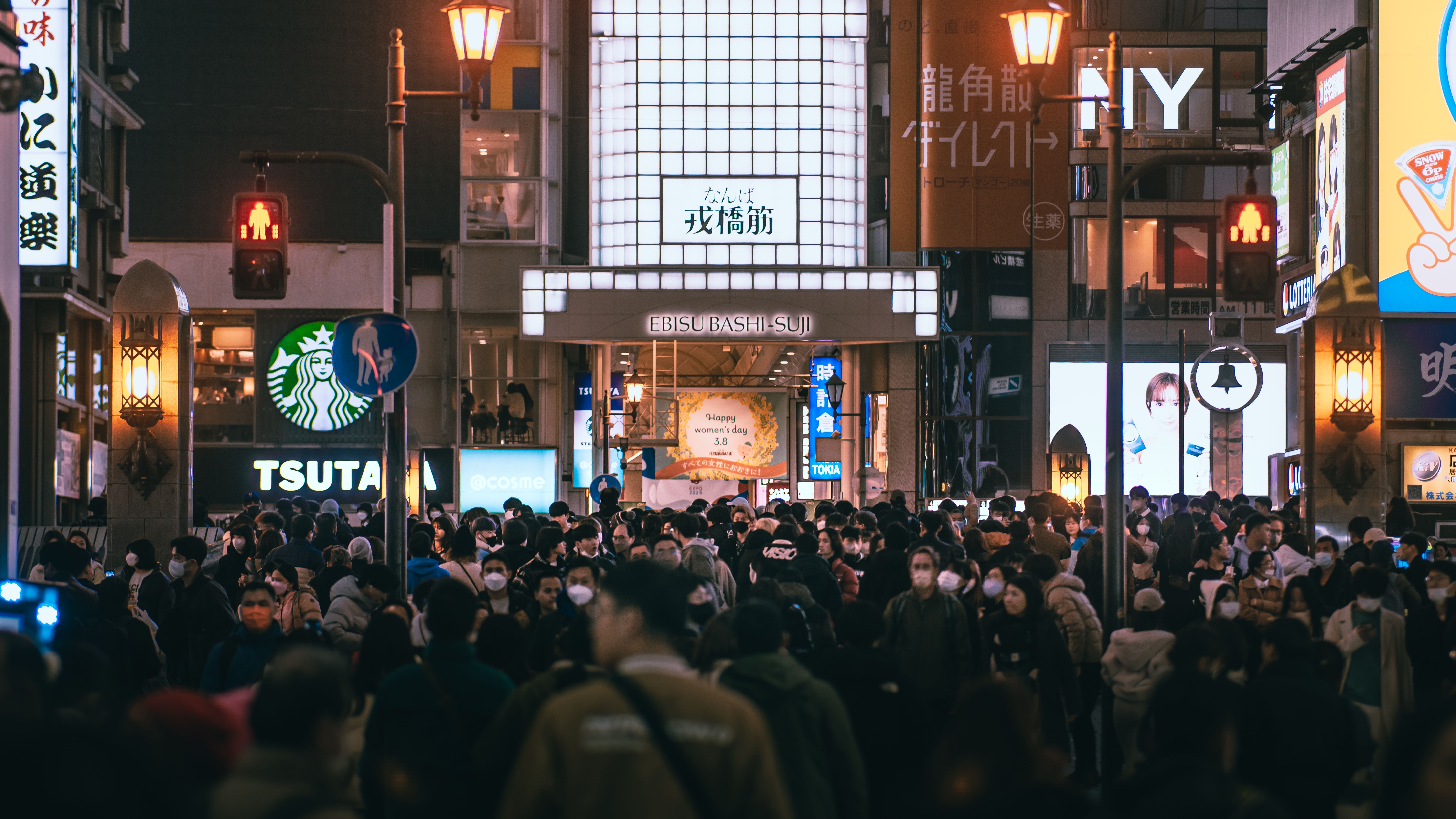
In East and Southeast Asia, the influence of casino tourism is visible in districts that combine gaming with shopping, food and street performance. Osaka’s Dotonbori is not a casino district in the Las Vegas sense, yet it attracts the same kind of visitor who comes for a night out. Its canal-side restaurants, giant signs and crowds show how a well-managed entertainment zone can generate spending without a single gaming table on the street.
Across the region, governments that have licensed large integrated resorts have often required them to invest in surrounding infrastructure, from transport links to convention space. The effect is that casino tourism tends to spread outward, lifting hotels, retail and restaurants that depend on visitors who came for the resort but stayed for the wider district.
The Gaming Floor Still Sets the Pace
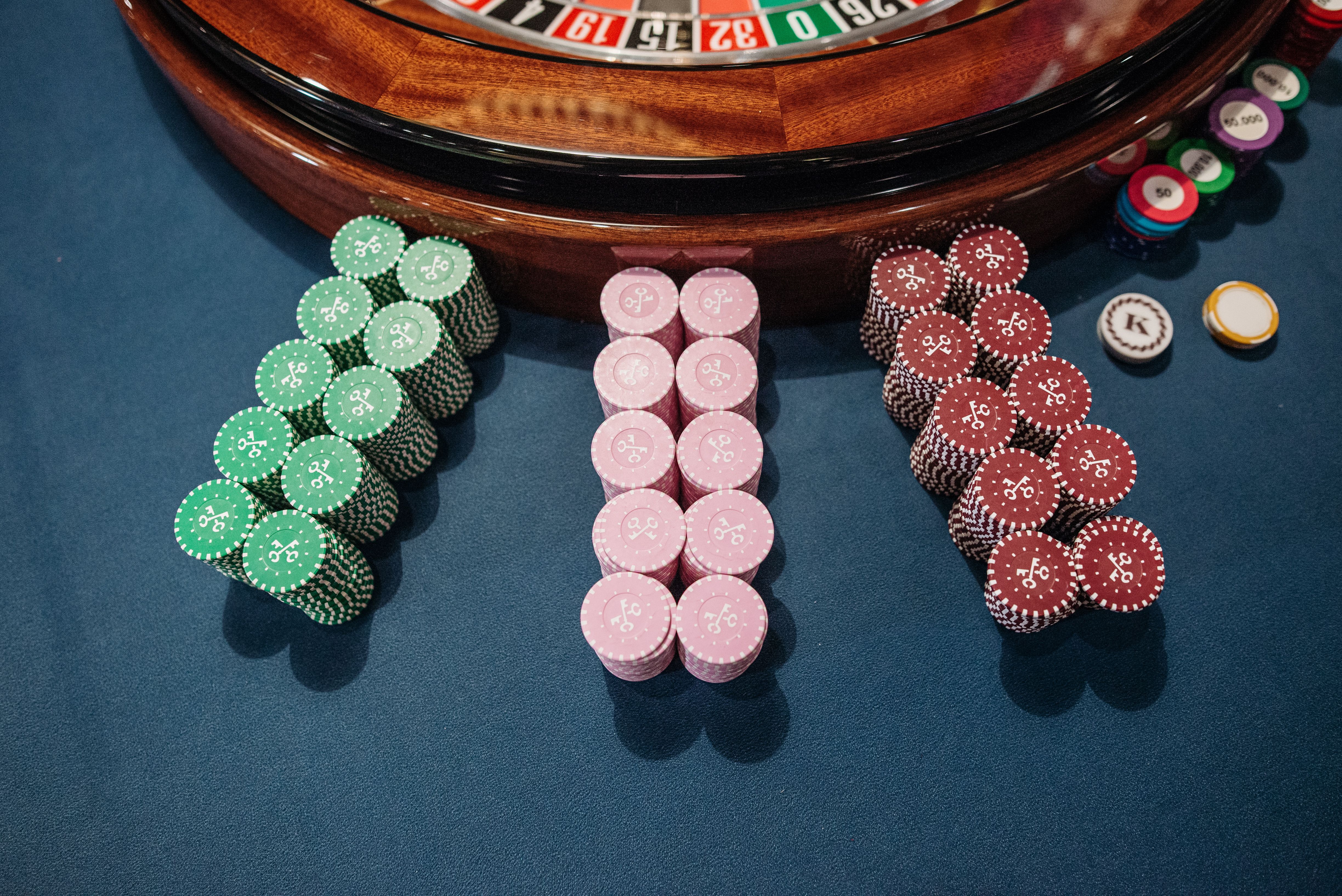
Even with all the surrounding attractions, the gaming floor remains the commercial heart of most of these districts. Table games, slot halls and sportsbooks generate much of the revenue that pays for the hotels and shows nearby. Their presence also influences how districts are lit, staffed and policed, because late-night gaming changes the rhythm of an entire street.
Planners now weigh these effects carefully. A district built around gaming needs safe transport after dark, clear signage, responsible-gambling information and enough variety that visitors do not feel trapped in a single venue. Cities that get this balance right tend to attract repeat visitors rather than one-off crowds.
What Comes Next for Entertainment Districts
Casino tourism has already shown that a city can be reshaped around leisure spending, but the next phase is likely to be more varied. Operators are investing in family attractions, convention facilities, art venues and outdoor public space, partly to reduce dependence on gaming revenue and partly to meet the expectations of younger travellers. The most successful districts will likely be those that treat the casino as one part of a broader cultural mix rather than the sole reason to visit.
For travellers, the practical takeaway is simple. When you visit a casino district anywhere in the world, look beyond the gaming floor. The streets, restaurants and music venues around it often reveal more about how the city works, and they are where the influence of casino tourism is easiest to see.