
Did you know that the French Riviera packs more Michelin-starred restaurants per square mile than almost any other coastal region in Europe?
That alone hints at why this stretch of Mediterranean coastline keeps pulling travelers back year after year.
The Côte d’Azur is not just about glamorous beaches or celebrity yachts.
It is about villages perched above the sea, morning espresso rituals, slow coastal drives, and the rare feeling that everyday life and luxury coexist naturally.
Planning a French Riviera trip is not complicated, but doing it well takes a bit of local logic.
This guide walks you through timing, destinations, transport, and experiences so your trip feels effortless.
Choosing the Right Time to Visit the French Riviera
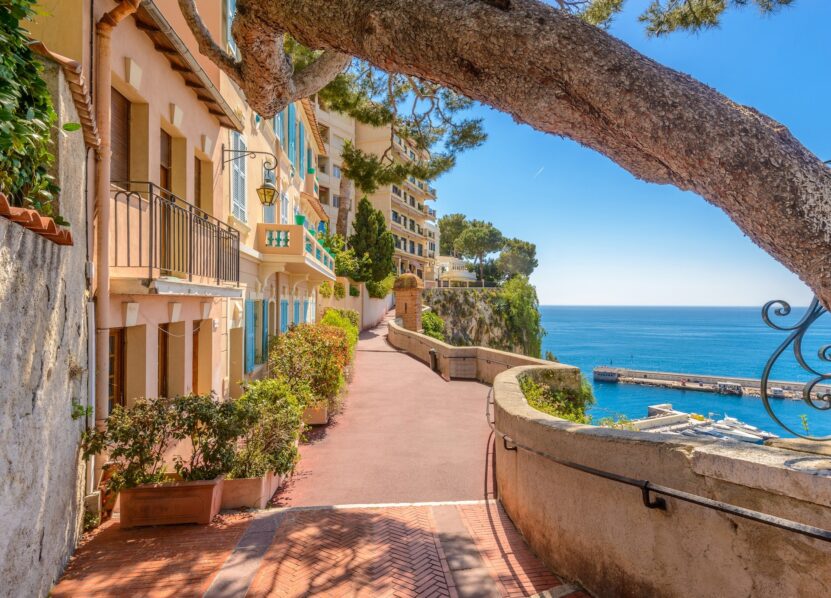
The French Riviera changes its personality with the seasons, and timing affects everything from prices to crowd levels.
Choosing when to go is the first real planning decision that shapes your entire trip.
Late spring and early autumn often deliver the best balance.
From May to June and again in September, the weather stays warm without the intense summer crowds.
Beaches feel relaxed, restaurants are easier to book, and coastal towns move at a gentler pace.
July and August bring peak energy, packed beaches, festivals, and higher prices.
Winter is quieter and underrated, especially for travelers who enjoy culture, food, and scenic walks.
When planning dates, keep these seasonal factors in mind:
- Summer brings the most vibrant nightlife but also the densest crowds.
- Shoulder seasons offer better value and a calmer atmosphere.
- Winter favors museums, markets, and local life over swimming.
There is no wrong season, only different experiences.
Understanding the Geography and Key Destinations
The French Riviera stretches farther than many first-time visitors expect. Understanding how the region flows helps avoid overpacking your itinerary and wasting time in transit.
At the western edge, Nice acts as a practical gateway with its international airport and central rail connections.
Cannes sits slightly west with its iconic promenade and film heritage.
Moving east, Monaco delivers polished glamour, while towns like Èze and Beaulieu-sur-Mer add charm and elevation.
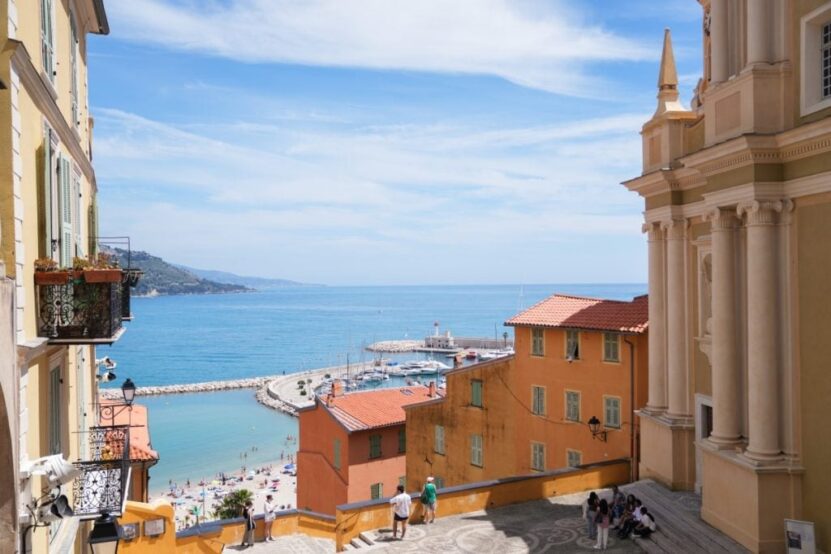
Menton, near the Italian border, feels softer and more pastel.
Distances are short, but the terrain is layered. Coastal towns sit below, while medieval villages rise above them.
This vertical layout means views change dramatically within minutes.
Did you know?
The French Riviera coastline measures under 200 kilometers, yet includes beaches, cliffs, marinas, hilltop villages, and alpine foothills within the same region.
Planning geographically keeps days smooth instead of scattered.
Planning Transportation and Getting Around Efficiently
Transportation choices directly affect how relaxed your trip feels. While trains connect most coastal towns, mixing transport types gives you more freedom.
The TER regional train line runs along the coast and links Nice, Cannes, Monaco, and Menton efficiently. It is affordable, scenic, and reliable.
For hilltop villages, buses or short taxi rides fill the gap. Renting a car offers flexibility for inland exploration, though parking can be tricky in summer.
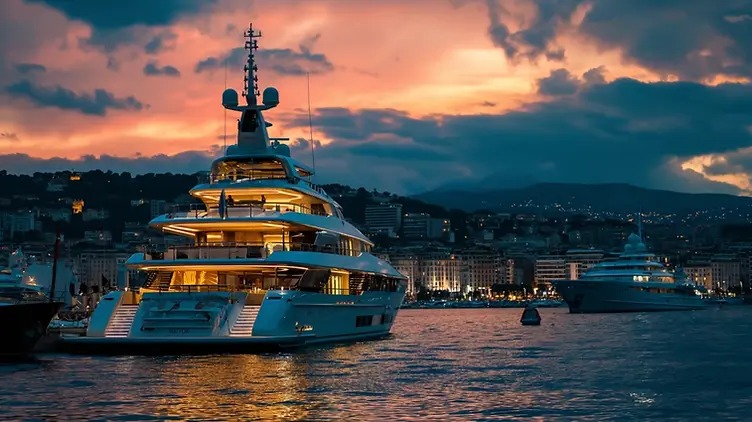
For travelers looking to experience the coastline from the water, scheduling time for a private yacht charter Monaco can change how the Riviera feels entirely. S
ailing between harbors, swimming in hidden coves, and seeing the coastline from offshore adds a perspective that roads and rails cannot replicate.
Many travelers combine transport styles:
- Trains for coastal hopping.
- Cars for villages and countryside.
- Boats for coastal leisure and unique views.
Balance convenience with experience.
Deciding Where to Stay Based on Travel Style
Accommodation choice shapes your daily rhythm more than most people realize.
The French Riviera offers everything from boutique hotels to quiet apartment rentals.
Nice works well for first-timers because it combines beaches, restaurants, museums, and transport links.
Cannes suits travelers drawn to upscale shopping and promenades. Monaco caters to polished luxury and compact sightseeing.
Smaller towns like Villefranche-sur-Mer or Antibes feel calmer and more residential.
Instead of hotel hopping, consider staying in one or two bases and exploring outward. That reduces packing fatigue and allows you to settle into local routines.
Think about priorities:
- Walkability versus tranquility.
- Proximity to nightlife versus morning quiet.
- Easy transport access versus scenic isolation.
The right base lets the Riviera unfold naturally around you.
Structuring Your Daily Itinerary
One of the most common mistakes on the French Riviera is trying to see everything. The region rewards slower pacing and intentional choices.
Plan no more than two main activities per day. Mornings are ideal for sightseeing and walks before heat and crowds build.
Afternoons fit beaches, long lunches, or rest. Evenings belong to dinners, harbor strolls, and people-watching.
Here is a sample structure that works well:
| Time of Day | Ideal Focus |
| Morning | Old towns, viewpoints, museums |
| Midday | Lunch, coastal walks |
| Afternoon | Beach time or rest |
| Evening | Dining and harbor strolls |
This rhythm keeps days full without feeling rushed. Flexibility matters more than ticking boxes.
Balancing Beaches, Culture, and Scenic Villages
The Riviera is not only about beaches, and travelers who balance their time tend to enjoy it more. Alternating coast and hills keeps the experience fresh.
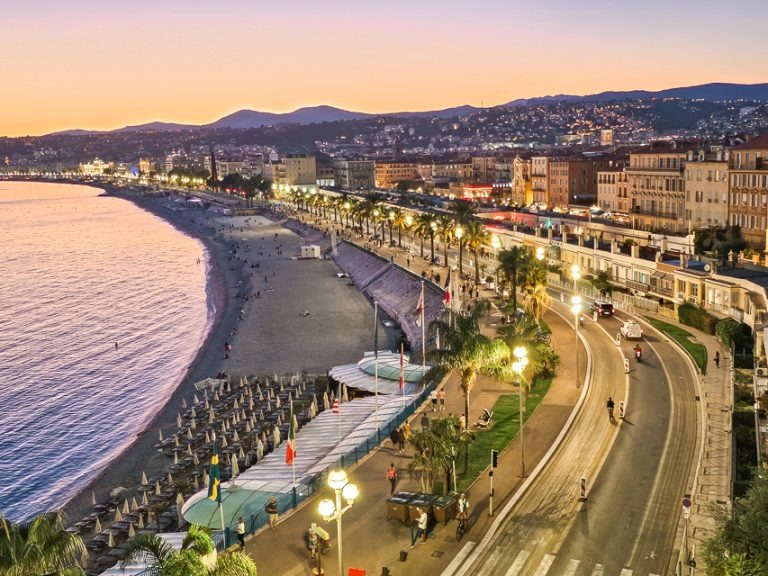
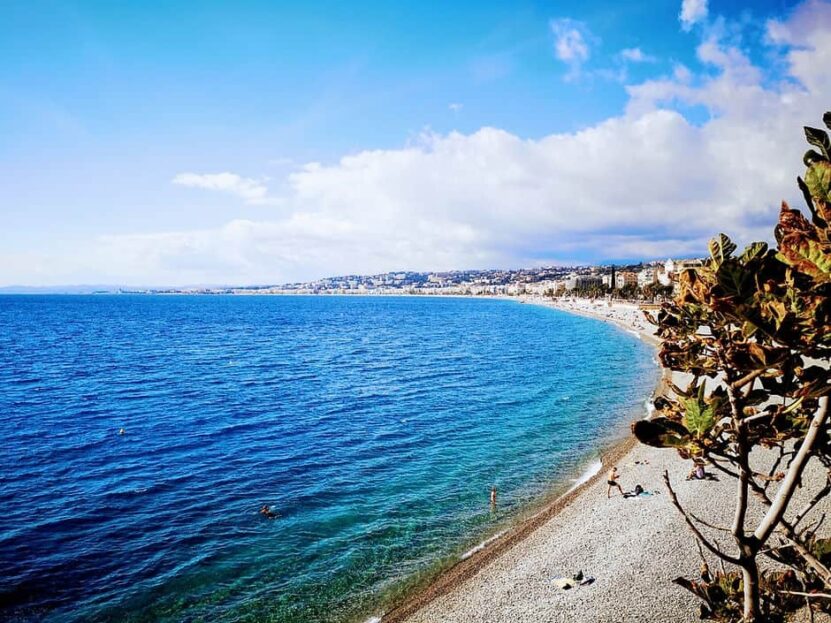
Spend some days on pebbled beaches like those in Nice or Cap d’Ail.
On others, head uphill to villages like Èze or Saint-Agnès, where narrow streets and sweeping views slow you down naturally.
Cultural stops like the Matisse Museum or Picasso Museum add depth between outdoor moments.
This balance prevents fatigue and repetition. Beach days recharge the body, village visits engage the senses, and museums ground the experience in history.
Important note:
Many Riviera beaches are pebbled rather than sandy. Water shoes can make swimming more comfortable, especially for longer stays.
Small adjustments improve comfort significantly.
Budgeting Smartly
The French Riviera has a reputation for high costs, but smart planning keeps spending reasonable without cutting quality.
Accommodation prices fluctuate sharply by season. Booking early or choosing nearby towns can lower costs.
Dining follows a similar pattern. Lunch menus offer excellent value, while dinner prices rise quickly. Grocery stores and bakeries help balance indulgent meals.
Transportation costs stay manageable thanks to public transit.
Experiences like museums, scenic walks, and markets remain affordable or free.
Focus spending where it matters most:
- One memorable meal instead of many average ones.
- One special experience over daily splurges.
- Location and comfort rather than luxury labels.
The Riviera rewards thoughtful choices more than constant spending.
Letting the Riviera Set the Pace
The French Riviera is at its best when you stop trying to control every moment. Leave space for unplanned swims, long lunches, and spontaneous detours.
Some of the best memories come from sitting on a harbor wall watching boats drift in or getting lost in a quiet backstreet.
Planning creates structure, but openness creates connection. Once the essentials are handled, let curiosity guide you. Talk to locals, follow coastal paths, linger longer than expected.
A well-planned French Riviera trip does not feel scheduled. It feels like time stretched gently, with the Mediterranean setting the rhythm and you simply stepping into it.